Learning how to use DIY tools safely is one of the most valuable skills any homeowner can develop. Whether you’re hanging shelves, assembling furniture, repairing a fence, or tackling your first woodworking project, understanding how to use common tools correctly can help you complete jobs more efficiently while reducing the risk of accidents.
Many beginners feel intimidated by drills, saws, and other power tools, but most DIY tools are designed to be straightforward when used properly. The key is to start with the basics, learn the purpose of each tool, and build good safety habits from the beginning.
When I started doing home improvement projects, I was eager to finish quickly and often overlooked preparation. After making a few beginner mistakes—such as using the wrong screwdriver size or forgetting to clamp a piece of wood before drilling—I realized that successful DIY projects depend more on careful planning than speed. Taking a few extra minutes to prepare makes every project safer and usually produces better results.
This guide introduces the most common DIY tools, explains how to use them safely, and shares practical tips that can help beginners build confidence while working on home improvement projects.
Why Tool Safety Should Be Your First Priority
DIY projects are rewarding, but even simple tools can cause injuries if used carelessly.
Practicing safe tool use helps you:
- Reduce the risk of injuries
- Protect your home from accidental damage
- Produce cleaner, more accurate work
- Extend the life of your tools
- Build confidence for larger projects
Good safety habits become automatic over time.
Build a Basic DIY Toolkit
Before beginning your first project, assemble a basic collection of reliable tools.
Essential hand tools include:
- Claw hammer
- Phillips and flat-head screwdrivers
- Adjustable wrench
- Slip-joint pliers
- Tape measure
- Utility knife
- Spirit level
- Putty knife
- Hand saw
Useful power tools include:
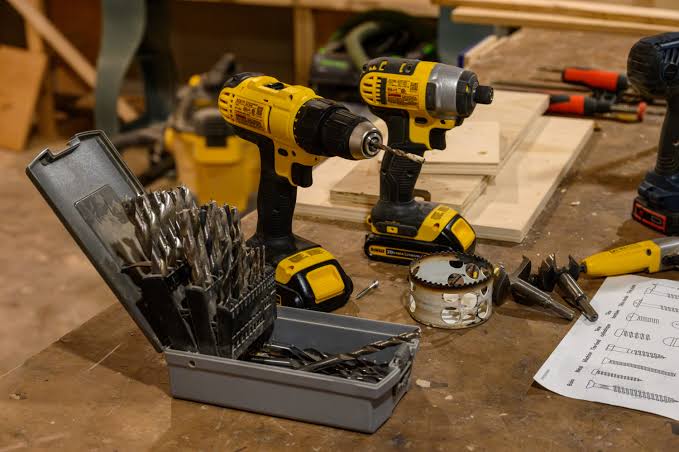
- Cordless drill/driver
- Random orbital sander
- Jigsaw
- Circular saw (after gaining some experience)
- Oscillating multi-tool
Choose quality tools that are comfortable to hold and suitable for your intended projects.
Read the Instruction Manual
Every tool is slightly different.
Before first use:
- Read the manufacturer’s instructions.
- Learn each control and adjustment.
- Understand built-in safety features.
- Follow recommended maintenance.
Even experienced DIYers consult manuals when using unfamiliar tools.
Wear the Right Safety Equipment
Personal protective equipment (PPE) is essential for many DIY projects.
Depending on the task, wear:
- Safety glasses or goggles
- Hearing protection for noisy tools
- A dust mask or respirator when cutting or sanding dusty materials
- Closed-toe, non-slip shoes
- Appropriate work gloves for handling rough materials (avoid loose gloves around rotating machinery unless recommended by the manufacturer)
Match your protective equipment to the specific job you’re performing.
Prepare a Safe Workspace
Before turning on any tool:
- Clear away clutter.
- Ensure good lighting.
- Keep children and pets away.
- Organize cords and materials.
- Maintain stable footing.
A clean workspace helps you focus on the task.
How to Use a Hammer Safely
The hammer is one of the most common DIY tools.
Best practices
- Choose the correct hammer for the job.
- Grip the handle near the end.
- Strike squarely.
- Check that the hammer head is secure.
- Keep fingers away from the striking area.
Avoid using a hammer as a pry bar unless it is designed for that purpose.
How to Use Screwdrivers Correctly
Using the wrong screwdriver often damages screw heads.
Tips:
- Match the screwdriver to the screw type.
- Apply steady pressure.
- Keep the screwdriver straight.
- Avoid using screwdrivers as chisels or levers.
Proper fit reduces slipping and improves control.
Safe Use of Utility Knives
Utility knives are extremely useful but require careful handling.
Remember to:
- Use a sharp blade.
- Cut away from your body.
- Retract or cover the blade after use.
- Replace dull blades promptly.
A sharp blade generally requires less force than a dull one, helping improve control.
Using a Tape Measure Safely
Although simple, tape measures can still cause minor injuries.
Tips include:
- Control the blade as it retracts.
- Lock the blade when measuring longer distances.
- Avoid letting the metal tape snap back quickly.
Careful handling also helps extend the life of the tape measure.
How to Use a Cordless Drill
The cordless drill is one of the most versatile DIY tools.
Step-by-step
- Select the correct drill or driver bit.
- Tighten the chuck securely.
- Mark the drilling location.
- Clamp the workpiece if necessary.
- Hold the drill with both hands when possible.
- Drill at an appropriate speed for the material.
- Allow the bit to stop before setting the drill down.
Remove the battery before changing bits or performing maintenance.
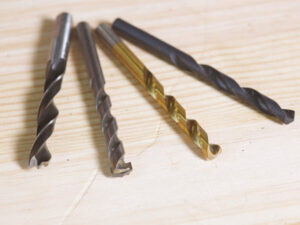
Choosing the Right Drill Bit
Different materials require different drill bits.
Common examples:
- Wood bits for timber
- Masonry bits for brick and concrete
- Metal bits for steel and aluminum
- Spade bits for larger holes in wood
Using the correct bit improves results and reduces wear on the tool.
Safe Use of a Jigsaw
A jigsaw is ideal for curved and detailed cuts.
Safety tips:
- Secure the material firmly.
- Choose the correct blade.
- Let the blade reach full speed before cutting if recommended.
- Keep hands away from the cutting path.
- Allow the blade to stop completely before lifting the tool.
Do not force the saw through the material.
How to Use a Circular Saw Safely
Circular saws require extra care because of their powerful rotating blades.
Before cutting:
- Inspect the blade.
- Verify the blade guard moves freely.
- Support the material properly.
- Keep both hands on the saw where designed.
- Stand to the side of the cutting line when appropriate.
Never disable or remove the blade guard.
Safe Sanding Techniques
Sanding produces fine dust.
Protect yourself by:
- Wearing suitable respiratory protection when needed.
- Using dust collection if available.
- Sanding in a well-ventilated area.
- Emptying dust containers safely.
Take regular breaks during larger sanding projects.
Clamp Materials Before Working
One of the biggest beginner mistakes is trying to hold materials by hand.
Use:
- Bar clamps
- Spring clamps
- Bench vise
- Corner clamps for woodworking projects
A secured workpiece improves both safety and accuracy.
Keep Tools Properly Maintained
Maintenance improves both safety and performance.
Regular tasks include:
- Cleaning after use
- Sharpening blades
- Lubricating moving parts where recommended
- Tightening loose fasteners
- Replacing worn accessories
Follow the manufacturer’s maintenance schedule whenever available.
Electrical Safety Tips
Power tools require additional electrical safety.
Always:
- Inspect power cords before use.
- Keep cords away from cutting tools.
- Avoid wet conditions unless the equipment is specifically designed for them.
- Unplug corded tools before changing blades or bits.
- Use extension cords rated for the tool and environment.
If you’re unsure about electrical work beyond basic tool operation, consult a qualified professional.
Organize and Store Tools Properly
Proper storage helps protect your investment.
Store tools:
- In a dry location
- Inside a toolbox or cabinet
- With blades covered where applicable
- Batteries stored according to the manufacturer’s recommendations
- Out of children’s reach
An organized workshop also saves time during future projects.
Common Beginner Mistakes to Avoid
Many DIY accidents result from avoidable habits.
Common mistakes include:
- Skipping safety glasses
- Using dull blades
- Rushing through projects
- Using the wrong tool
- Ignoring damaged equipment
- Failing to clamp workpieces
- Working in poor lighting
- Wearing loose clothing around moving tools
Developing good habits early can make every project safer.
Practice Before Starting Major Projects
If you’re learning a new tool:
- Practice on scrap materials first.
- Learn how the tool feels.
- Experiment with different speeds and techniques.
- Build confidence before working on your final project.
Small practice sessions often prevent costly mistakes later.
Know When to Stop
DIY is rewarding, but not every project is suitable for beginners.
Seek professional assistance for:
- Major electrical installations
- Gas line repairs
- Structural modifications
- Large roofing jobs
- Complex plumbing inside walls
- Projects requiring permits or specialized expertise
Recognizing your limits is an important part of responsible DIY work.
Final Thoughts
Mastering common DIY tools doesn’t happen overnight, but every project is an opportunity to improve your skills. By learning how each tool works, preparing your workspace, wearing appropriate protective equipment, and following safe operating practices, you can complete home improvement projects with greater confidence and fewer risks.
Remember that successful DIY work is built on patience rather than speed. Start with simple repairs, practice using your tools on scrap materials, and gradually take on more challenging projects as your experience grows. The time you invest in learning safe tool techniques today will help you complete better projects and enjoy DIY for years to come.
Frequently Asked Questions
1. Which DIY tools should beginners buy first?
A basic toolkit should include a hammer, screwdriver set, adjustable wrench, pliers, tape measure, utility knife, spirit level, cordless drill, and a few common drill bits. These tools are suitable for many household repairs and beginner DIY projects.
2. Is a cordless drill better than a corded drill for beginners?
For many beginners, a cordless drill is a practical choice because it is portable, convenient, and suitable for most household tasks. However, the best option depends on the type of projects you plan to complete.
3. What safety equipment is essential for DIY projects?
At a minimum, wear safety glasses, closed-toe shoes, and hearing protection when using loud power tools. Depending on the project, you may also need a dust mask or respirator and appropriate work gloves.
4. How can I become more confident using power tools?
Start with simple projects, read the instruction manual, practice on scrap materials, keep your workspace organized, and learn one tool at a time. Confidence grows through regular practice and safe habits.
5. How often should DIY tools be maintained?
Inspect tools before each use and clean them after every project. Sharpen blades, tighten loose parts, lubricate moving components where recommended, and replace worn accessories as needed to keep tools working safely.
6. When should I avoid doing a DIY repair myself?
If a project involves electrical wiring, gas systems, structural changes, major plumbing, or work that exceeds your experience or comfort level, it’s safest to hire a qualified professional. Knowing when to seek expert help is an important part of responsible DIY.