Every home, whether new or old, requires regular maintenance. A dripping faucet, loose cabinet handle, squeaky door, or cracked wall may seem like minor inconveniences, but if left unattended, these small issues can develop into more costly repairs. The good news is that many everyday home repairs are simple enough for beginners to handle with basic tools and a little patience.
When I first started learning DIY home repair, I assumed every problem required calling a handyman. After tackling a few small projects, I realized that many repairs took less than an hour and cost only a fraction of what a professional service visit would have. Learning these practical skills not only saved money but also gave me confidence to take better care of my home.
This DIY home repair guide covers easy fixes that almost every homeowner should know. You’ll learn which repairs are beginner-friendly, the tools you’ll need, common mistakes to avoid, and when it’s safer to hire a professional.
Why Every Homeowner Should Learn Basic DIY Repairs
Knowing how to perform simple home repairs offers several advantages beyond saving money.
Benefits include:
- Reduces maintenance costs
- Prevents small issues from becoming major problems
- Improves home safety and comfort
- Extends the life of household fixtures
- Builds confidence and practical skills
- Helps maintain your home’s value
You don’t need years of experience to complete many common repairs successfully.
Build a Basic Home Repair Toolkit
Before starting any project, gather a few essential tools.
A beginner’s toolkit should include:
- Claw hammer
- Screwdriver set (flat-head and Phillips)
- Adjustable wrench
- Slip-joint pliers
- Tape measure
- Utility knife
- Cordless drill and drill bits
- Level
- Flashlight
- Stud finder
- Putty knife
- Fine-grit sandpaper
- Safety glasses
- Work gloves
- Step ladder
Buying quality tools once is often more economical than replacing cheap tools repeatedly.
1. Repair a Dripping Faucet
A dripping faucet is one of the most common household problems.
Common causes
- Worn washer
- Damaged cartridge
- Loose parts
- Mineral deposits
How to fix it
- Turn off the water supply.
- Remove the faucet handle.
- Inspect the washer or cartridge.
- Replace worn parts.
- Reassemble the faucet.
- Turn the water back on and test.
Prompt repairs can help reduce water waste.
2. Fix a Running Toilet
A continuously running toilet can waste a significant amount of water.
Check these components:
- Flapper
- Fill valve
- Float
- Chain
Most replacement kits are affordable and come with installation instructions.
3. Unclog Slow Drains
Bathroom and kitchen drains often become clogged with hair, soap residue, and grease.
Try these methods:
- Remove visible debris.
- Use a drain snake.
- Flush with hot water where appropriate.
- Clean the drain stopper.
Avoid combining chemical drain cleaners, as they can damage plumbing and create safety risks.
4. Tighten Loose Cabinet Hardware
Cabinet handles and drawer pulls naturally loosen over time.
Use a screwdriver to tighten mounting screws.
If screws no longer grip properly, replace them with the correct size instead of forcing larger screws.
5. Eliminate Squeaky Doors
Squeaky hinges are easy to repair.
Steps:
- Clean the hinge.
- Apply a silicone-based lubricant or another suitable household lubricant.
- Open and close the door repeatedly.
- Wipe away excess lubricant.
The squeak often disappears immediately.
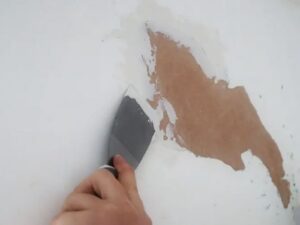
6. Patch Small Wall Holes
Minor dents and nail holes are common.
You’ll need:
- Spackling compound
- Putty knife
- Sandpaper
- Matching paint
Allow repairs to dry fully before sanding and repainting.
7. Replace Damaged Caulk
Old caulk around sinks, tubs, and showers can crack or separate.
To replace it:
- Remove old caulk.
- Clean and dry the area.
- Apply fresh bathroom-grade caulk.
- Smooth the bead evenly.
- Allow it to cure according to the manufacturer’s instructions.
Fresh caulk helps protect against moisture damage.
8. Fix Sticky Doors
Doors sometimes stick due to humidity or loose hinges.
Possible solutions:
- Tighten hinge screws.
- Clean door edges.
- Lightly sand rubbing areas if necessary.
- Apply wax to reduce friction.
Avoid removing excessive material from the door.
9. Replace Weather Stripping
Drafty windows and doors reduce energy efficiency.
New weather stripping can help:
- Block drafts
- Improve comfort
- Reduce energy loss
- Minimize outside noise
Installation usually requires only scissors and adhesive-backed material or simple fasteners.
10. Repair Loose Drawer Slides
Drawers that stick or wobble often need simple adjustments.
Check for:
- Loose screws
- Dirt in tracks
- Damaged rollers
- Misaligned slides
Cleaning and tightening hardware often restores smooth operation.
11. Fix Loose Toilet Seats
A loose toilet seat is easy to repair.
Simply tighten the mounting bolts.
If hardware is damaged, inexpensive replacement kits are widely available.
12. Replace Air Filters
Dirty HVAC filters reduce airflow and system efficiency.
Check filters monthly and replace them according to the manufacturer’s recommendations or sooner if they become visibly dirty.
Regular replacement can help improve indoor air quality and system performance.
13. Clean Refrigerator Door Seals
Dirty or damaged seals prevent proper cooling.
Clean using:
- Warm water
- Mild soap
- Soft cloth
Inspect for cracks that may require seal replacement.
14. Remove Wall Scuff Marks
Before repainting walls, try cleaning them.
Use:
- Damp microfiber cloth
- Mild dish soap solution
- A melamine sponge (test first on an inconspicuous area)
Gentle cleaning often removes marks without damaging the paint.
15. Organize Cables and Power Cords
Loose cords create clutter and potential tripping hazards.
Helpful solutions:
- Cable clips
- Velcro straps
- Cable sleeves
- Cord labels
- Organized power strips
Proper cable management also makes devices easier to maintain.
Essential DIY Safety Tips
Always put safety first.
Remember to:
- Turn off electricity before working near electrical fixtures.
- Shut off water before plumbing repairs.
- Wear eye protection when drilling or sanding.
- Use ladders safely on stable surfaces.
- Read tool and product instructions carefully.
- Keep children and pets away from the work area.
- Work slowly and avoid rushing.
Taking a few extra precautions can help prevent injuries.
Common DIY Mistakes to Avoid
Many beginner repairs become more difficult because of avoidable mistakes.
Avoid:
- Using the wrong tools
- Buying incorrect replacement parts
- Skipping measurements
- Overtightening screws
- Ignoring manufacturer instructions
- Starting repairs without understanding the process
- Neglecting regular maintenance
Preparation is often the key to a successful repair.
When to Call a Professional
Some home repairs should not be handled without proper training.
Contact a qualified professional if you encounter:
- Electrical wiring problems
- Gas leaks or suspected gas odors
- Major plumbing leaks
- Structural damage
- Roof leaks
- Foundation cracks
- Extensive mold growth
- Sewer backups
Attempting these repairs without the necessary expertise may create safety risks or increase repair costs.
Tips for Saving Money on Home Repairs
Simple strategies can reduce maintenance expenses over time.
Consider these tips:
- Fix small problems as soon as they appear.
- Maintain appliances regularly.
- Buy quality replacement parts.
- Compare prices before purchasing supplies.
- Borrow specialty tools for one-time jobs.
- Keep a small stock of basic repair materials.
Routine maintenance is often less expensive than emergency repairs.
Easy DIY Projects for Beginners
If you’re just getting started, these projects are great confidence builders:
- Tighten loose cabinet handles.
- Replace weather stripping.
- Lubricate squeaky hinges.
- Patch small nail holes.
- Install shelf brackets.
- Replace air filters.
- Organize storage areas.
- Re-caulk a bathroom sink.
Each completed project helps you develop useful home maintenance skills.
Final Thoughts
Learning basic DIY home repair skills is one of the best investments you can make as a homeowner. Many common household problems can be solved with affordable tools, simple techniques, and a little patience. By handling minor repairs promptly, you can improve your home’s comfort, reduce maintenance costs, and prevent small issues from becoming larger, more expensive problems.
At the same time, it’s important to know your limits. While many tasks are ideal for beginners, repairs involving electrical systems, gas lines, structural damage, or major plumbing should always be left to qualified professionals. Combining practical DIY knowledge with good judgment will help you keep your home safe, functional, and well maintained for years to come.
Frequently Asked Questions
1. What DIY home repairs are easiest for beginners?
Some of the easiest projects include tightening cabinet hardware, replacing weather stripping, fixing squeaky door hinges, patching small wall holes, replacing air filters, and re-caulking around sinks or bathtubs.
2. What tools should every homeowner own?
A basic toolkit should include screwdrivers, an adjustable wrench, pliers, a hammer, tape measure, utility knife, cordless drill, level, flashlight, safety glasses, and work gloves. These tools are suitable for many common repairs.
3. How can I learn DIY home repair safely?
Start with simple projects, follow manufacturer instructions, watch reliable educational resources, use the correct tools, and always turn off water or electricity before beginning repairs where required.
4. How often should I inspect my home for maintenance issues?
A monthly inspection of plumbing fixtures, doors, windows, smoke alarms, HVAC filters, and visible signs of wear or leaks can help identify problems early and reduce future repair costs.
5. Which repairs should never be done without professional help?
Repairs involving gas lines, major electrical work, structural components, roof damage, foundation issues, extensive mold, or large plumbing leaks should be handled by qualified professionals to ensure safety and compliance with local regulations.
6. Can DIY home repairs really save money?
Yes. Completing simple maintenance tasks yourself can reduce labor costs, extend the lifespan of household fixtures, and help prevent minor problems from turning into expensive repairs, making DIY skills a valuable long-term investment.