A healthy, thriving garden doesn’t happen by chance. It requires regular care that changes with the seasons. As temperatures, rainfall, and daylight hours shift throughout the year, your plants have different needs. Understanding these seasonal changes and adjusting your gardening routine accordingly can help your flowers bloom longer, vegetables produce better harvests, and shrubs and trees stay healthy for years to come.
When I first started gardening, I focused mainly on watering and planting. It didn’t take long to realize that successful gardening involves much more than that. Healthy soil, timely pruning, proper mulching, pest monitoring, and seasonal preparation all play an important role. Once I began following a seasonal maintenance schedule instead of reacting only when problems appeared, my garden became healthier, easier to manage, and more enjoyable.
Whether you’re caring for a vegetable garden, flower beds, fruit trees, or container plants, this guide will walk you through the essential seasonal garden care tips that can help keep your plants growing strong throughout the year.
Why Seasonal Garden Care Matters
Plants naturally respond to seasonal changes in temperature, sunlight, and moisture. Providing the right care at the right time supports healthy growth and reduces common gardening problems.
Benefits of seasonal maintenance include:
- Stronger root development
- Healthier flowers and vegetables
- Better resistance to pests and diseases
- Improved soil quality
- Reduced water waste
- More productive gardens throughout the year
A consistent gardening routine is often more effective than occasional intensive maintenance.
Understand Your Local Climate
Before creating a seasonal gardening schedule, learn about your local growing conditions.
Important factors include:
- Average temperatures
- Rainfall patterns
- Frost dates
- Sunlight exposure
- Soil type
- Humidity levels
- Wind conditions
Your local climate determines when to plant, prune, water, and protect your garden.
Spring Garden Care Tips
Spring is the season when gardens wake up after winter and begin a new cycle of growth.
Clean Up the Garden
Remove:
- Fallen branches
- Dead leaves
- Damaged stems
- Winter debris
- Old mulch if it has broken down excessively
Cleaning early improves air circulation and reduces hiding places for pests.
Improve the Soil
Healthy soil supports healthy plants.
Add:
- Compost
- Well-rotted organic matter
- Leaf mold
- Organic mulch where appropriate
A soil test can help identify nutrient deficiencies before planting.
Begin Regular Watering
As temperatures rise, monitor soil moisture regularly.
Water:
- Early in the morning
- Deeply rather than lightly
- According to the needs of each plant
Avoid overwatering, especially if spring rainfall is frequent.
Feed Growing Plants
Many plants benefit from nutrients during active growth.
Choose fertilizers based on:
- Plant type
- Soil condition
- Manufacturer recommendations
Avoid applying more fertilizer than recommended, as excessive feeding can damage plants.
Summer Garden Care Tips
Summer often brings rapid growth along with heat stress.
Water Efficiently
Deep watering encourages stronger root systems.
Best practices include:
- Water early in the morning
- Water at the base of plants
- Avoid wetting foliage when possible
- Adjust watering during heat waves
Container plants may require more frequent watering than garden beds.
Apply Fresh Mulch
Mulch provides several important benefits.
It helps:
- Retain moisture
- Suppress weeds
- Regulate soil temperature
- Reduce soil erosion
Organic mulches gradually improve soil as they decompose.
Monitor for Pests
Inspect plants regularly for signs of:
- Damaged leaves
- Holes
- Sticky residue
- Wilting
- Discoloration
Early detection often makes pest management easier.
Encouraging beneficial insects, such as ladybugs and lacewings, may help keep some pest populations under control.
Harvest Regularly
For vegetables and herbs, frequent harvesting often encourages continued production.
Remove ripe produce before it becomes overgrown.
Regular harvesting also improves plant appearance.
Autumn Garden Care Tips
Autumn is the perfect time to prepare your garden for cooler weather.
Remove Dead Plants
Clear away:
- Spent annuals
- Diseased plant material
- Dead vegetables
- Fallen fruit
Avoid composting diseased plants unless your compost system reaches temperatures high enough to destroy pathogens.
Add Compost
Autumn is an excellent time to enrich garden beds.
Compost helps:
- Improve soil structure
- Increase organic matter
- Support beneficial microorganisms
- Prepare beds for spring planting
Plant Cool-Season Crops
Depending on your region, autumn may be suitable for growing:
- Spinach
- Kale
- Garlic
- Broccoli
- Cabbage
- Beets
Choose varieties appropriate for your local climate.
Protect Sensitive Plants
As temperatures begin to fall:
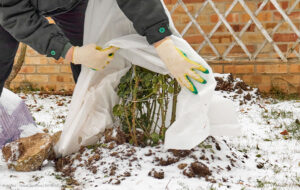
- Cover frost-sensitive plants when frost is forecast.
- Move container plants indoors if needed.
- Add mulch around plant roots for insulation.
These steps can help reduce cold-weather damage.
Winter Garden Care Tips
Even when growth slows, your garden still benefits from regular attention.
Protect Plants from Frost
Protect vulnerable plants using:
- Frost cloths
- Mulch
- Temporary covers where appropriate
Remove coverings during warmer periods if recommended for the material being used.
Prune Carefully
Some trees and shrubs are commonly pruned during dormancy, while others should be pruned after flowering.
Always research the needs of each plant before pruning to avoid reducing future blooms or causing unnecessary stress.
Maintain Garden Tools
Winter is an ideal time to:
- Clean tools
- Sharpen blades
- Oil moving parts
- Replace damaged handles
- Organize equipment
Well-maintained tools are safer and easier to use.
Plan Next Season
Use winter to:
- Review last year’s successes
- Rotate vegetable crops
- Order seeds
- Design new garden beds
- Schedule maintenance projects
Good planning can save time during the busy growing season.
Seasonal Watering Tips
Proper watering changes throughout the year.
Spring
Water according to rainfall and new plant growth.
Summer
Water deeply and consistently, especially during dry periods.
Autumn
Gradually reduce watering as temperatures cool and plant growth slows.
Winter
Water only when needed, depending on rainfall, soil moisture, and the needs of winter-growing plants.
Avoid watering frozen soil.
Fertilizing Throughout the Year
Different seasons require different nutrient management.
General guidelines:
- Spring: Support new growth if needed.
- Summer: Feed actively growing plants according to their needs.
- Autumn: Focus on soil improvement with compost rather than encouraging excessive new growth.
- Winter: Most dormant plants require little or no fertilizer.
Always follow product instructions and avoid over-fertilizing.
Weed Control Tips
Weeds compete with your plants for water and nutrients.
Control weeds by:
- Pulling them while they’re small
- Applying mulch
- Avoiding bare soil where possible
- Removing weeds before they produce seeds
Regular maintenance is easier than dealing with large infestations.
Soil Care in Every Season
Healthy soil is the foundation of a productive garden.
Support soil health by:
- Adding compost annually
- Avoiding unnecessary digging
- Rotating crops
- Maintaining mulch
- Testing soil periodically
- Minimizing soil compaction
Healthy soil retains moisture more effectively and supports beneficial organisms.
Caring for Trees and Shrubs
Trees and shrubs also benefit from seasonal maintenance.
Remember to:
- Inspect for damaged branches
- Water during prolonged dry spells
- Refresh mulch while keeping it away from the trunk
- Prune at the appropriate time for each species
- Watch for pests and disease symptoms
Healthy trees contribute structure and shade to the garden.
Container Garden Care
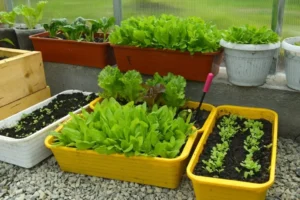
Container plants often require more frequent attention than those growing in the ground.
Seasonal care includes:
- Checking soil moisture regularly
- Repotting root-bound plants when necessary
- Refreshing potting mix
- Cleaning containers between growing seasons
- Protecting pots from freezing temperatures if needed
Ensure containers have adequate drainage to help prevent root problems.
Common Seasonal Gardening Mistakes
Many gardening problems can be avoided.
Common mistakes include:
- Watering too often
- Ignoring soil quality
- Planting at the wrong time
- Overcrowding plants
- Using excessive fertilizer
- Forgetting to monitor pests
- Delaying seasonal maintenance
Addressing small issues early often prevents larger problems later.
Year-Round Garden Maintenance Checklist
Follow this simple checklist throughout the year:
- Inspect plants weekly.
- Water according to seasonal needs.
- Add compost regularly.
- Remove weeds promptly.
- Refresh mulch when necessary.
- Clean garden tools after use.
- Monitor for pests and diseases.
- Prune at the correct time.
- Harvest crops regularly.
- Record observations in a gardening journal.
A consistent routine helps keep your garden healthy and easier to manage.
Tips for Beginner Gardeners
If you’re new to gardening:
- Start with a small space.
- Grow plants suited to your local climate.
- Improve your soil before planting.
- Learn the watering needs of each plant.
- Observe your garden frequently.
- Don’t be discouraged by occasional setbacks.
Gardening is a skill that improves with experience and patience.
Final Thoughts
Healthy gardens are built through consistent care in every season, not just during planting time. By adjusting your gardening routine to match changing weather and plant growth, you can create stronger roots, healthier soil, more productive vegetables, and longer-lasting flowers. Simple practices such as watering wisely, improving soil with compost, applying mulch, monitoring for pests, and preparing for seasonal changes can make a noticeable difference over time.
Remember that every garden is unique. Your local climate, soil conditions, and plant selection will influence the care your garden needs. Pay attention to how your plants respond, make gradual improvements each season, and enjoy the process of learning. With regular maintenance and thoughtful planning, your garden can remain healthy, attractive, and productive throughout the entire year.
Frequently Asked Questions
1. Why is seasonal garden care important?
Seasonal care helps plants adapt to changing weather conditions, supports healthy growth, improves soil quality, and can reduce problems caused by pests, diseases, and environmental stress.
2. How often should I water my garden?
There is no single schedule that works for every garden. Watering frequency depends on plant type, weather, soil, and season. It’s generally best to check soil moisture and water deeply when needed rather than watering lightly every day.
3. Should I add compost every season?
Compost can be beneficial throughout the year, especially in spring and autumn, as it improves soil structure, adds organic matter, and supports beneficial soil organisms. The amount and timing will depend on your garden’s needs.
4. When is the best time to prune plants?
The ideal pruning time varies by plant. Many deciduous trees and shrubs are pruned during dormancy, while spring-flowering shrubs are often pruned after they finish blooming. Always check the specific requirements for each plant.
5. How can I keep weeds under control naturally?
Apply mulch, remove weeds while they are young, avoid leaving bare soil exposed, and pull weeds before they produce seeds. Consistent maintenance is one of the most effective natural weed-control methods.
6. What is the biggest mistake beginner gardeners make?
One of the most common mistakes is trying to do too much at once. Starting with a manageable garden, choosing plants suited to your local climate, and maintaining a regular care routine often leads to better long-term success than taking on more than you can comfortably manage.