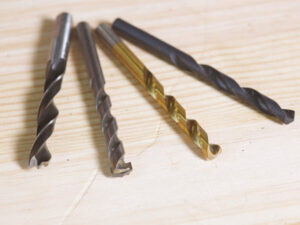
Whether you’re assembling furniture, repairing a leaking faucet, building shelves, or starting your first woodworking project, using hand and power tools safely is one of the most important skills every DIY beginner should develop. While tools make home improvement projects easier and more efficient, they can also cause serious injuries if used incorrectly or without proper preparation.
When I first started tackling DIY projects, I was eager to finish quickly and often overlooked simple safety practices. I once tried drilling without securing the workpiece, and the wood shifted unexpectedly, reminding me how easily accidents can happen. That experience taught me that taking a few extra minutes to prepare safely is always worth it.
The good news is that most tool-related accidents are preventable. By learning basic safety habits, using the right equipment, and understanding how your tools work, you can complete DIY projects with greater confidence while reducing the risk of injury.
This guide covers essential hand and power tool safety tips that every beginner should know before starting any home improvement project.
Why Tool Safety Matters
Even simple household tools can become dangerous when used improperly.
Following safe work practices helps you:
- Reduce the risk of injuries
- Protect your eyesight and hearing
- Prevent damage to your home or project
- Extend the life of your tools
- Improve the quality of your work
- Build confidence as a DIYer
Good safety habits become second nature with practice.
Learn How Each Tool Works
Before using any new tool, take time to understand:
- Its intended purpose
- How it operates
- Built-in safety features
- Proper handling techniques
- Recommended maintenance
Read the manufacturer’s instruction manual before first use. Understanding the tool’s controls and limitations can help prevent accidents.
Wear Appropriate Safety Equipment
Personal protective equipment (PPE) is one of the simplest ways to reduce the risk of injury.
Basic safety gear includes:
- Safety glasses or goggles
- Hearing protection when using loud power tools
- Dust mask or respirator when recommended for dust-producing tasks
- Work gloves for handling rough materials (avoid loose gloves near rotating machinery unless the manufacturer recommends them)
- Closed-toe, non-slip footwear
Choose PPE that fits properly and is appropriate for the task.
Inspect Tools Before Every Use
A quick inspection can identify problems before they become hazardous.
Check for:
- Cracked handles
- Loose screws or fasteners
- Damaged blades
- Frayed power cords
- Broken safety guards
- Battery damage
- Rust or excessive wear
If a tool is damaged, repair or replace it before using it.
Keep Your Work Area Clean
A cluttered workspace increases the risk of accidents.
Maintain a safe work area by:
- Removing unnecessary items
- Cleaning spills immediately
- Keeping walkways clear
- Organizing tools
- Ensuring adequate lighting
A tidy workspace also makes projects easier to complete.
Use the Right Tool for the Job
Using the wrong tool can damage materials and increase the chance of injury.
For example:
- Use a screwdriver instead of a knife to tighten screws.
- Use a handsaw designed for the material you’re cutting.
- Choose the correct drill bit for wood, metal, or masonry.
- Select the appropriate wrench size for bolts and nuts.
Never force a tool to perform a task it wasn’t designed for.
Keep Tools Well Maintained
Well-maintained tools work more safely and efficiently.
Regular maintenance includes:
- Cleaning after use
- Sharpening blades when needed
- Lubricating moving parts where recommended
- Tightening loose components
- Replacing worn accessories
Follow the manufacturer’s maintenance recommendations.
Secure Your Workpiece
Before cutting, drilling, sanding, or filing, secure the material.
Use:
- Clamps
- A sturdy workbench
- A vise
Holding materials by hand while using power tools increases the risk of slips and injuries.
Pay Attention to Power Cords
Power cords deserve careful attention.
Avoid:
- Running cords through standing water
- Pulling tools by the cord
- Using damaged extension cords
- Creating tripping hazards
Keep cords positioned away from cutting paths and moving parts.
Use Battery-Powered Tools Safely
Cordless tools are convenient but still require safe handling.
Tips include:
- Use the correct battery for the tool.
- Charge batteries with the recommended charger.
- Store batteries in a cool, dry location.
- Inspect batteries for swelling, cracks, or damage.
If a battery appears damaged or overheats unusually, discontinue use and follow the manufacturer’s disposal guidance.
Wear Proper Clothing
Loose clothing can become caught in moving parts.
Choose:
- Fitted clothing
- Tied-back long hair
- Minimal jewelry
- Non-slip shoes
Avoid scarves, loose sleeves, or dangling accessories when operating rotating tools.
Focus on One Task at a Time
Distractions contribute to many DIY accidents.
Avoid:
- Using tools while tired
- Talking on the phone during operation
- Rushing to finish
- Working under the influence of alcohol or impairing substances
Stay focused until the tool has completely stopped.
Safe Hand Tool Practices
Hand tools may seem harmless, but they still require proper use.
Hammers
- Inspect the handle for cracks.
- Strike squarely.
- Keep fingers clear of the impact area.
Screwdrivers
- Match the screwdriver to the screw type and size.
- Never use a screwdriver as a chisel or pry bar.
Utility Knives
- Cut away from your body.
- Retract or cover the blade when not in use.
- Replace dull blades promptly.
Pliers
- Use the correct type for gripping or cutting.
- Avoid using pliers as a wrench unless designed for that purpose.
Safe Power Tool Practices
Power tools require additional precautions.
General rules:
- Disconnect power or remove the battery before changing blades or bits.
- Keep both hands on the tool when appropriate.
- Allow the tool to reach full speed before beginning the cut if recommended.
- Let blades stop completely before setting the tool down.
- Never disable safety guards or switches.
Always follow the operating instructions for your specific tool.
Drill Safety Tips
Drills are among the most common DIY tools.
Remember to:
- Tighten the drill bit securely.
- Use the correct bit for the material.
- Clamp the workpiece.
- Apply steady pressure without forcing the drill.
- Remove the battery or unplug the drill before changing bits.
Circular Saw Safety Tips
Circular saws require extra caution.
Before cutting:
- Inspect the blade.
- Confirm the blade is appropriate for the material.
- Keep both hands on the saw where designed.
- Support the material properly.
- Keep hands away from the cutting path.
Never remove or bypass the blade guard.
Sander Safety Tips
Sanding creates fine dust.
Protect yourself by:
- Wearing appropriate respiratory protection when needed.
- Using dust collection if available.
- Sanding in a well-ventilated area.
- Emptying dust collection bags according to manufacturer instructions.
Some wood dust can be hazardous if inhaled over time.
Ladder Safety During DIY Projects
Many DIY injuries involve falls rather than tools.
Safe ladder practices include:
- Place the ladder on stable, level ground.
- Maintain three points of contact whenever possible.
- Do not overreach.
- Use the correct ladder height.
- Inspect the ladder before use.
Move the ladder instead of leaning too far to one side.
Electrical Safety
When working near electrical systems:
- Turn off power at the breaker before beginning work.
- Verify the power is off using an appropriate tester.
- Keep electrical tools dry.
- Never use damaged cords or plugs.
If you’re unsure about electrical work beyond basic maintenance, hire a qualified electrician.
Keep Children and Pets Away
DIY projects can create unexpected hazards.
Keep the work area free from:
- Children
- Pets
- Unnecessary visitors
Store sharp tools and chemicals safely when not in use.
Store Tools Properly
Good storage extends tool life and improves safety.
Store tools:
- In a dry location
- Inside a toolbox or cabinet
- Out of children’s reach
- With blades protected
- Batteries removed if recommended for long-term storage
Organized storage also helps you find tools quickly.
Common DIY Tool Safety Mistakes
Beginners often make avoidable mistakes.
These include:
- Skipping safety glasses
- Using dull blades
- Wearing loose clothing
- Ignoring damaged tools
- Forgetting to clamp materials
- Working in poor lighting
- Rushing through projects
- Using the wrong tool for the task
Avoiding these habits can significantly reduce the risk of accidents.
Create a Safe DIY Routine
Before every project, ask yourself:
- Is my work area clean?
- Am I wearing the correct safety equipment?
- Have I inspected my tools?
- Is the material secured?
- Do I understand how to use the tool?
- Is there enough lighting?
- Do I have enough time to work without rushing?
A simple pre-project checklist helps establish safe habits.
When to Leave a Job to a Professional
DIY is rewarding, but not every task is suitable for beginners.
Consider hiring a qualified professional for:
- Major electrical installations
- Gas line work
- Structural modifications
- Roof repairs at significant heights
- Extensive plumbing inside walls
- Projects requiring permits or specialized equipment
Knowing your limits is an important part of working safely.
Final Thoughts
Learning to use hand and power tools safely is one of the most valuable skills any DIY beginner can develop. Most home improvement projects become much safer when you take time to inspect your tools, wear the right protective equipment, organize your workspace, and follow proper operating procedures. These simple habits not only reduce the risk of injury but also help you produce better-quality work and protect your investment in tools.
Remember that DIY is about steady progress, not speed. Start with beginner-friendly projects, learn how each tool works before using it, and never hesitate to stop if something feels unsafe or beyond your skill level. Building safe habits from the beginning will give you the confidence to take on more projects while keeping yourself and your home protected.
Frequently Asked Questions
1. What safety equipment should every DIY beginner have?
At a minimum, keep safety glasses, hearing protection, work gloves appropriate for the task, a dust mask or respirator when needed, and sturdy closed-toe shoes. The exact protective equipment depends on the tool and project.
2. What is the most common mistake beginners make with tools?
One of the most common mistakes is rushing into a project without reading the tool’s instructions or inspecting the tool first. Other frequent errors include not wearing eye protection and failing to secure the workpiece before cutting or drilling.
3. How often should I inspect my tools?
Inspect tools before every use. Look for loose parts, damaged cords, worn blades, cracked handles, or missing safety guards. Regular inspections can help prevent accidents and extend the life of your equipment.
4. Is it safe to use power tools in wet conditions?
Generally, no. Unless a tool is specifically designed and rated for wet environments, avoid using electric power tools in damp or wet conditions because of the increased risk of electric shock. Always follow the manufacturer’s safety instructions.
5. How should I store hand and power tools?
Store tools in a clean, dry place such as a toolbox or cabinet. Protect sharp edges, keep batteries and chargers according to the manufacturer’s recommendations, and ensure tools are out of reach of children.
6. When should I stop a DIY project and call a professional?
If a project involves complex electrical systems, gas lines, major structural changes, significant plumbing, or any task that exceeds your knowledge or comfort level, it’s safer to hire a qualified professional. Recognizing when expert help is needed is an essential part of responsible DIY work.