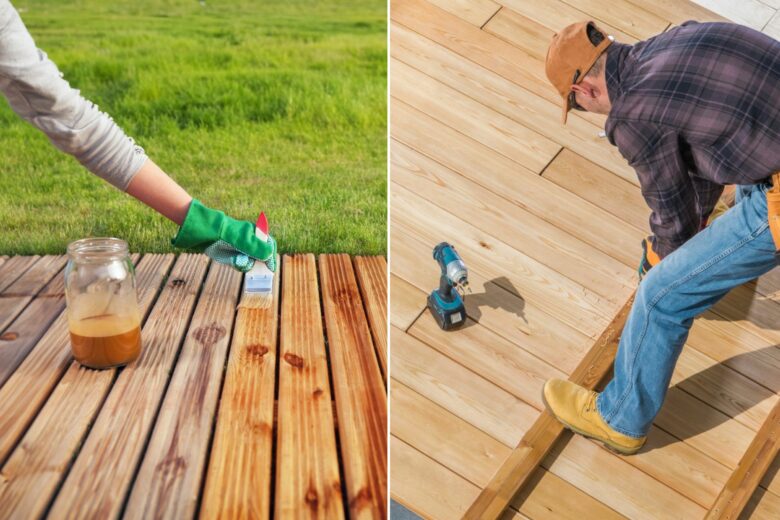
Many people believe home renovation requires thousands of dollars and months of construction. In reality, you can make meaningful improvements to your home with careful planning, smart spending, and a little creativity. Whether you’re updating an older house, improving your living space, or preparing to sell in the future, a budget-friendly renovation can make your home more comfortable and attractive without creating financial stress.
When I first started helping friends and family with small home improvement projects, I noticed a common mistake: people often spent too much money on trendy upgrades while ignoring simple changes that made a much bigger difference. A fresh coat of paint, better lighting, improved storage, and a few thoughtful updates frequently transformed a room more than expensive remodels.
The key to renovating on a small budget isn’t spending less at all costs—it’s spending wisely. By focusing on projects that offer the greatest visual and practical impact, you can achieve impressive results while staying within your budget.
Why Budget Home Renovation Is Worth It
Home improvements don’t have to be expensive to be valuable. Small upgrades can make daily life more enjoyable while also increasing your home’s appeal.
Benefits include:
- Creates a cleaner, fresher living environment
- Improves functionality
- May increase property value
- Makes your home more energy efficient
- Helps prevent costly future repairs
- Gives you pride in your living space
Instead of viewing renovation as a major expense, think of it as a series of manageable improvements completed over time.
Start with a Clear Renovation Plan
Before buying paint or new furniture, spend time creating a renovation plan.
Ask yourself:
- What rooms need the most attention?
- Which problems affect daily life?
- What is your total budget?
- Which projects can you complete yourself?
- Which improvements should wait?
Writing everything down helps prevent unnecessary spending.
Example Budget Plan
| Project | Estimated Cost |
|---|---|
| Paint | Low |
| Cabinet Hardware | Low |
| Light Fixtures | Medium |
| Flooring (Small Room) | Medium |
| Bathroom Accessories | Low |
Planning first helps you avoid impulse purchases.
Set a Realistic Budget
One of the biggest renovation mistakes is underestimating costs.
A simple budgeting approach is:
- 70% for planned projects
- 20% for unexpected expenses
- 10% for finishing touches
Even if your total budget is modest, having a financial plan keeps your renovation on track.
Prioritize Repairs Before Cosmetic Changes
It can be tempting to focus on decorating, but essential repairs should come first.
Address issues such as:
- Leaking faucets
- Damaged flooring
- Loose railings
- Cracked caulk
- Water stains
- Broken cabinet hinges
Fixing small problems early often prevents larger, more expensive repairs later.
Paint: The Most Affordable Transformation
Fresh paint remains one of the highest-value home improvements.
Choose light, neutral colors because they:
- Brighten rooms
- Make spaces appear larger
- Match most furniture
- Appeal to future buyers
Painting walls yourself can significantly reduce renovation costs.
Update Lighting
Lighting changes the mood of every room.
Affordable upgrades include:
- LED bulbs
- Modern ceiling lights
- Floor lamps
- Table lamps
- Under-cabinet lighting
Good lighting makes homes feel cleaner and more welcoming.
Refresh Your Kitchen Without Replacing Cabinets
A complete kitchen remodel can be expensive.
Instead:
- Paint cabinet doors
- Replace cabinet handles
- Install peel-and-stick backsplash
- Upgrade faucets
- Organize drawers
These simple improvements can dramatically modernize the kitchen.
Improve Bathroom Appearance
Bathrooms often need only a few affordable updates.
Replace:
- Mirrors
- Faucets
- Shower curtains
- Towel bars
- Cabinet handles
Also refresh grout and caulk to make the room look cleaner.
Upgrade Flooring One Room at a Time
Replacing every floor isn’t necessary.
Focus on:
- Entryway
- Kitchen
- Bathroom
- Hallway
Budget-friendly flooring includes:
- Luxury vinyl plank
- Laminate
- Vinyl tiles
Updating small areas first spreads costs over time.
Improve Storage Instead of Adding More Furniture
Clutter makes homes feel smaller.
Affordable storage ideas include:
- Floating shelves
- Storage baskets
- Under-bed containers
- Wall hooks
- Closet organizers
Better organization often makes a room feel newly renovated.
Enhance Curb Appeal
Your home’s exterior creates the first impression.
Affordable improvements include:
- Paint the front door
- Add potted plants
- Replace house numbers
- Clean walkways
- Trim bushes
- Pressure wash siding
Even small outdoor upgrades improve overall appearance.
Shop Smart for Renovation Materials
Saving money starts before you begin renovating.
Ways to reduce costs:
- Compare prices between stores
- Shop seasonal sales
- Buy clearance items
- Reuse existing materials
- Look for quality second-hand furniture
- Purchase only what you need
Avoid buying everything at once.
Learn Basic DIY Skills
Many beginner-friendly projects require only simple tools.
Examples include:
- Painting
- Installing shelves
- Replacing hardware
- Hanging curtains
- Installing weather stripping
- Assembling storage furniture
Learning basic DIY skills saves labor costs and builds confidence.
Refinish Instead of Replacing
Not everything old needs replacing.
You can refinish:
- Dining tables
- Dressers
- Coffee tables
- Chairs
- Bookshelves
Sanding and repainting furniture often costs far less than buying new pieces.
Improve Energy Efficiency
Energy-efficient improvements can reduce utility costs over time.
Affordable upgrades include:
- LED lighting
- Door weather stripping
- Window seals
- Smart thermostats (if within budget)
- Insulating drafty areas
These projects improve comfort while helping manage energy use.
Focus on Timeless Designs
Trendy styles can become outdated quickly.
Instead choose:
- Neutral paint colors
- Simple hardware
- Classic flooring
- Clean cabinet designs
- Minimal décor
Timeless renovations remain attractive for years.
Renovate One Room at a Time
Trying to renovate an entire house simultaneously often leads to stress and overspending.
A better approach is:
- Finish one room.
- Save money again.
- Start the next room.
This method keeps your home functional throughout the renovation process.
Common Budget Renovation Mistakes
Avoid these expensive errors:
- Skipping planning
- Ignoring repairs
- Buying low-quality materials
- Following every design trend
- Overspending on decorations
- Starting too many projects
- Forgetting hidden costs
Careful planning prevents unnecessary expenses.
Budget-Friendly Renovation Checklist
Use this checklist before starting:
- Set your renovation budget.
- Make a list of priorities.
- Measure every room.
- Compare material prices.
- Purchase quality tools.
- Schedule projects.
- Keep emergency funds available.
- Track spending throughout the renovation.
Real-Life Example
Imagine you have a budget of $1,000.
Instead of spending everything on one expensive project, you could divide it like this:
- Paint several rooms
- Replace cabinet hardware
- Install new lighting
- Add floating shelves
- Refresh bathroom accessories
- Buy storage organizers
- Paint the front door
Together, these smaller upgrades can noticeably improve your home’s appearance and functionality while staying within your budget.
Tips to Make Every Dollar Count
Keep these practical tips in mind:
- Plan before purchasing materials.
- Buy durable products instead of the cheapest options.
- Watch for holiday sales.
- Reuse items whenever possible.
- Borrow tools for one-time projects.
- Finish each project before starting another.
- Keep receipts in case you need returns.
Small savings across multiple projects can add up significantly.
Final Thoughts
Renovating your home on a small budget is entirely possible with thoughtful planning and realistic expectations. You don’t need luxury materials or a complete remodel to create a home that feels fresh, functional, and inviting. By focusing on high-impact improvements such as painting, lighting, storage, and minor kitchen or bathroom updates, you can transform your space while keeping costs under control.
Remember that successful renovations happen over time. Prioritize essential repairs, complete projects one step at a time, and choose quality improvements that fit both your lifestyle and your budget. With patience and smart decisions, you can create a home you’ll enjoy for years without overspending.
Frequently Asked Questions
1. How much should I budget for a beginner home renovation?
The right budget depends on your goals, but even a few hundred dollars can cover high-impact improvements such as painting, lighting upgrades, new hardware, and storage solutions. Create a plan before spending to make the most of your budget.
2. What is the cheapest way to renovate a home?
Painting walls, updating cabinet handles, replacing light fixtures, improving storage, and refreshing bathroom accessories are some of the most affordable renovations that provide noticeable results.
3. Which room should I renovate first?
Start with the room that affects your daily life the most. For many homeowners, the kitchen or bathroom offers the greatest practical benefit and visual improvement.
4. Can I renovate my home without hiring professionals?
Yes. Many projects, including painting, installing shelves, replacing cabinet hardware, hanging curtains, and organizing storage, are suitable for beginners with basic tools and careful preparation. More complex electrical, plumbing, or structural work should be handled by qualified professionals.
5. Does a budget renovation increase home value?
It can. Well-planned improvements that enhance appearance, functionality, maintenance, and energy efficiency often make a home more appealing to potential buyers. However, the increase in value depends on factors such as your local housing market and the quality of the work completed.
6. How can I avoid overspending during a renovation?
Set a realistic budget, prioritize essential repairs, compare prices before purchasing materials, complete one project at a time, and keep a small contingency fund for unexpected expenses. This approach helps you stay in control of costs while achieving steady progress.