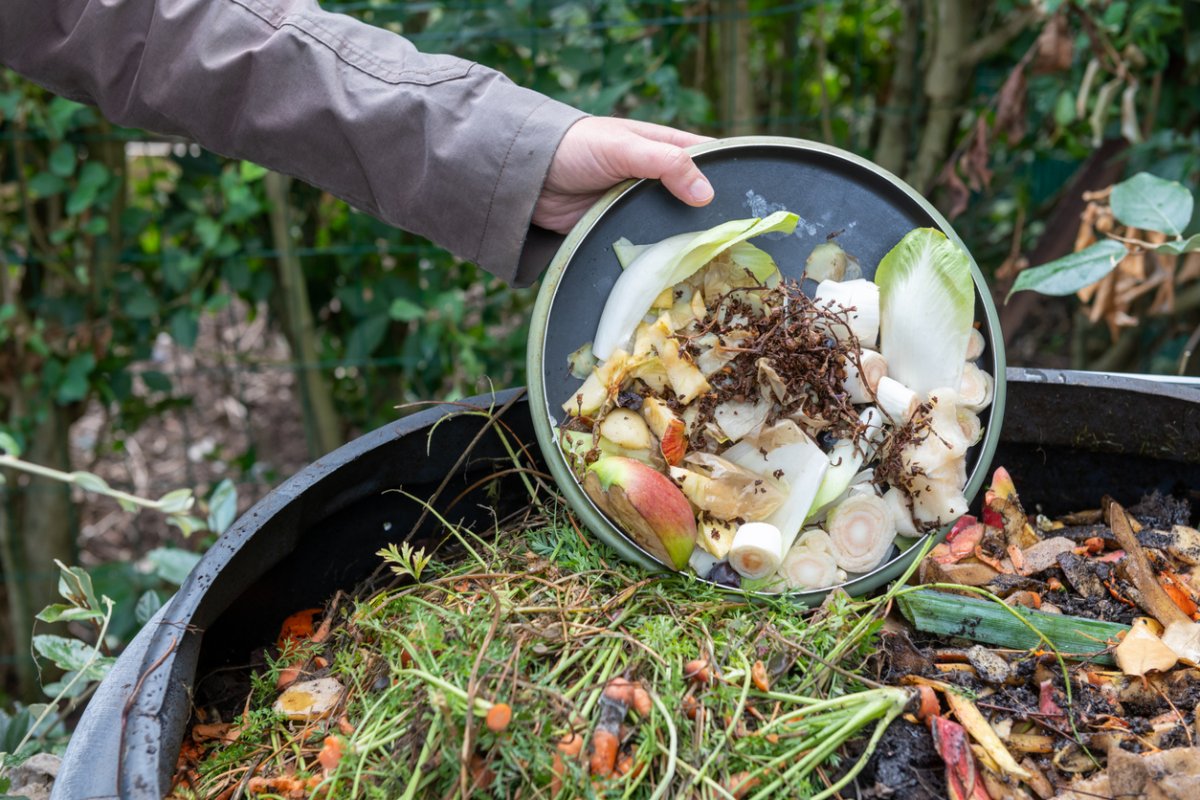
If you live in an apartment and assume composting is impossible because you don’t have a yard, a garden, or a tolerance for fruit flies, you’re missing the simplest sustainability upgrade available to renters. After 11 years of managing small-space vermicomposting systems and balcony compost setups in urban apartments from studio lofts to high-rise units, I’ve learned that apartment composting fails for one reason only: the wrong system for the wrong space. When you match the method to your square footage, your scrap volume, and your tolerance for maintenance, you get black gold fertilizer without a single odor complaint from the neighbors or a single fruit fly in your kitchen. In this guide, I’ll show you exactly why most apartment composting attempts turn into smelly disasters, which three systems actually work indoors, and the step-by-step protocol I use to process 3 pounds of kitchen scraps per week in a 400-square-foot studio without pests, mold, or complaints.
Why Apartment Composting Fails (The Smell and Pest Equation)
Most apartment composting disasters follow the same pattern. Someone buys a ceramic countertop crock, fills it with vegetable peels, forgets it for four days, and opens the lid to a swarm of fruit flies and a smell that triggers the neighbor’s asthma. The crock gets thrown in the trash, and composting is declared impossible.
The problem isn’t composting. The problem is aerobic vs. anaerobic decomposition.
The Science in 30 Seconds
Table
| Condition | What Happens | Result |
|---|---|---|
| Aerobic (with oxygen) | Bacteria break down scraps quickly, producing CO₂ and heat | Earthy, soil-like smell; no pests attracted |
| Anaerobic (without oxygen) | Different bacteria ferment scraps, producing methane, hydrogen sulfide, and ammonia | Rotten egg/ garbage smell; attracts flies and roaches |
A countertop crock with a lid and no airflow is an anaerobic chamber. You’re not composting — you’re fermenting garbage in a sealed jar. The smell is the gas escaping when you open it. The flies are attracted to the volatile acids produced by anaerobic breakdown.
The critical insight: Apartment composting works when you either (1) seal the scraps in an airtight anaerobic system designed for fermentation (Bokashi), (2) maintain active aerobic conditions with proper carbon balance and airflow (worm bin), or (3) accelerate breakdown with heat and mechanical agitation (electric). A passive crock with a charcoal filter does none of these.
The Pest Vector
Fruit flies don’t spontaneously generate. They arrive on the skin of bananas, tomatoes, and melons you bring home from the grocery store. In an open or loosely lidded container, they lay eggs on scraps. Eggs hatch in 24–30 hours. One banana peel can produce 50+ flies in three days.
An apartment composting system must either exclude flies entirely (sealed Bokashi, sealed electric) or outcompete them with rapid processing (active worm bin that consumes scraps before flies can breed).
The 3 Systems That Actually Work Indoors
I’ve tested or managed every apartment composting method marketed in the last decade. Three work. The rest are decorative garbage cans.
Table
| System | Best For | Space | Odor Risk | Pest Risk | Cost | Effort |
|---|---|---|---|---|---|---|
| Bokashi bucket | Kitchen-only, no outdoor access, odor-sensitive | 2 sq ft under sink | Near zero (pickled smell) | Zero (airtight) | $50–$80 initial | Low (2 min/day) |
| Worm bin (vermicomposting) | Balcony/patio access, gardeners who want castings | 4–6 sq ft | Low if managed | Low if maintained | $30–$100 initial | Medium (10 min/week) |
| Electric composter | Busy professionals, tech-forward renters, no outdoor space | 2 sq ft countertop | Low (carbon filter) | Very low | $300–$500 initial | Very low (push button) |
Pro tip from the field: In my 400-square-foot studio, I ran a Bokashi bucket under the sink and a small worm bin on the balcony simultaneously. The Bokashi handled all food scraps including meat and dairy. The worms handled the pre-digested Bokashi waste and produced finished castings. This two-stage system processed everything my kitchen produced with zero odor and zero pests. But if you’re starting with one system, choose based on your outdoor access and budget.
System 1: The Bokashi Bucket (Best for Zero Odor and Small Spaces)
Bokashi is not composting in the traditional sense. It’s anaerobic fermentation using a specific strain of bacteria (Lactobacillus and related microbes) inoculated on wheat bran or rice hulls. You layer food scraps with Bokashi bran in an airtight bucket, press out air, and seal it. The bacteria ferment the scraps into a pre-digested, acidic mass that worms and soil microbes break down rapidly once buried or added to a worm bin.
Why It Works in Apartments
-
Airtight: The 5-gallon bucket has a gamma-seal lid. No oxygen enters, no smells escape, no flies access.
-
Accepts all food: Meat, dairy, cooked leftovers, citrus, onions — all banned in worm bins — are fine in Bokashi.
-
Fast: A bucket fills in 2–3 weeks, ferments for 2 weeks, then is ready to process.
-
Small: Fits under a kitchen sink or in a closet.
Step-by-Step Setup
Step 1: Buy or Build Purchase a two-bucket Bokashi system (one filling, one fermenting) or build your own with two 5-gallon food-grade buckets with tight gamma lids and a spigot in the bottom bucket for draining leachate.
Step 2: Layer and Sprinkle Chop scraps into 2-inch pieces. Add a 1-inch layer to the bucket. Sprinkle 1 tablespoon of Bokashi bran over the scraps. Press down firmly with a potato masher or plate to eliminate air pockets. Seal the lid.
Step 3: Drain Leachate Every 2–3 days, drain the liquid from the spigot. This “Bokashi tea” is acidic and rich in nutrients. Dilute 1:100 with water and use as a houseplant fertilizer, or pour it down the drain — it actually helps keep drains clean.
Step 4: Fill and Ferment Continue layering until the bucket is full. Seal and leave untouched for 2 weeks. Start filling the second bucket. By the time the second bucket is full, the first is finished fermenting.
Step 5: Finish the Compost Fermented Bokashi waste is too acidic to apply directly to plants. You have three apartment-friendly options:
-
Worm bin: Worms love pre-digested Bokashi. Mix it in small amounts (10% of bin volume) under the bedding.
-
Balcony soil bin: Bury it in a 5-gallon bucket of potting soil on your balcony. In 4 weeks, it’s finished compost.
-
Community garden: Many community gardens accept Bokashi donations. The fermented mass breaks down in their soil in 2–3 weeks.
The smell reality: A properly sealed Bokashi bucket smells like pickled vegetables or mild vinegar when opened. It does not smell like rot. If it smells like garbage, the seal is leaking or you didn’t add enough bran. Add more bran and seal tighter.
System 2: The Worm Bin (Best for Balconies and Patios)
Vermicomposting uses red wiggler worms (Eisenia fetida) to consume organic matter and excrete nutrient-dense castings. It’s the fastest way to turn scraps into finished compost, but it requires a bit more attention than Bokashi.
The Apartment-Ready Worm Bin
Don’t buy a fancy stacked worm tower. For an apartment, use a 18-gallon Rubbermaid tote with a tight lid, or a purpose-built Worm Factory 360 if you want stacking trays. The key is size: too small (under 10 gallons) and the bin overheats and goes acidic. Too large (over 30 gallons) and it’s unwieldy on a balcony.
Step-by-Step Setup
Step 1: Prepare Bedding Fill the bin 3/4 full with damp bedding: shredded newspaper, cardboard, coconut coir, or aged leaves. The bedding should feel like a wrung-out sponge — moist but not dripping.
Step 2: Add Worms Start with 1 pound of red wigglers (about 1,000 worms). Do not use earthworms from the garden — they need deep soil and will die in a shallow bin.
Step 3: Feed Strategically Bury scraps in a different corner of the bin each time. Cover with 1 inch of bedding. This prevents flies and contains odor.
Step 4: Maintain Conditions
-
Temperature: 55–77°F. In summer, move the bin to shade or indoors. In winter, insulate with bubble wrap or move indoors.
-
Moisture: If the bin smells like ammonia, it’s too wet and too acidic. Add dry bedding and stop feeding for a week. If it’s dry and dusty, mist with water.
-
Airflow: Drill 1/8-inch holes in the lid and sides. Cover holes with fine mesh screen (hot-glued) to exclude flies.
Step 5: Harvest Castings Every 3–4 months, push the finished material to one side. Add fresh bedding and food to the other side. The worms migrate to the new food in 2–3 weeks. Scoop out the finished castings.
Pest prevention: The #1 reason worm bins get fruit flies is exposed food. Always bury scraps under bedding. If you see flies, stop feeding for a week, add a thick layer of dry bedding, and place a piece of cardboard flat on the surface. The flies will die off when they can’t access food.
System 3: The Electric Composter (Best for Hands-Off Convenience)
If you have no outdoor space, no tolerance for worms, and a budget, an electric composter like the Lomi, FoodCycler, or Reencle processes scraps into a dry, odorless, pre-compost material in 4–24 hours.
How It Works
These units use heat (up to 160°F), mechanical agitation, and dehydration to break down scraps. The output is not fully finished compost — it’s dehydrated, ground organic matter that needs a second stage (soil burial, Bokashi, or a worm bin) to complete decomposition. But it’s sterile, odorless, and 90% reduced in volume.
The Apartment Advantage
-
Truly odorless: Carbon filters and sealed chambers prevent any smell.
-
Pest-proof: No organic exposure until the cycle is complete.
-
Fast: Process scraps daily instead of accumulating them.
-
Compact: Countertop size.
The Limitations
-
Cost: $300–$500 is significant for a renter.
-
Electricity: Adds to your utility bill.
-
Not finished compost: The output still needs soil incorporation or worm processing to become plant-available nutrients. You can’t just top-dress houseplants with it directly.
-
Capacity: Most units handle 2–3 pounds per cycle. Larger households may need multiple cycles.
My recommendation: An electric composter is excellent if you have absolutely no outdoor access and want to reduce waste volume for disposal. But if you want finished compost for plants, pair it with a small worm bin or balcony soil bin for the second stage.
The Apartment Composting Protocol (No-Smell, No-Pest Rules)
Regardless of which system you choose, these rules keep your apartment clean and your neighbors happy.
Rule 1: Chop Everything
The smaller the scrap, the faster it processes. Whole onions and potato peels take weeks. Diced scraps take days. Fast processing means less time for odors and pests to develop.
Rule 2: Freeze Until Processing
If you only empty your scrap collection every 3–4 days, keep a container in the freezer. Freezing bursts cell walls, which actually speeds decomposition later, and it completely eliminates odors and pests in the interim. This is my #1 recommendation for beginners.
Rule 3: Balance Greens and Browns
“Greens” are nitrogen-rich: vegetable scraps, coffee grounds, fruit peels. “Browns” are carbon-rich: paper, cardboard, dry leaves. In any aerobic system (worm bin, electric, soil bin), the ideal ratio is roughly 3 parts browns to 1 part greens by volume. Too many greens = ammonia smell and slimy anaerobic conditions. Too many browns = slow processing.
In Bokashi, this balance doesn’t matter — the bacteria ferment everything.
Rule 4: Exclude the Big Four Attractors
Never add these to any open or slow-processing indoor system:
-
Meat and fish (unless using Bokashi)
-
Dairy (unless using Bokashi)
-
Oils and fats (attracts roaches and goes rancid)
-
Large quantities of citrus (too acidic for worms; fine in Bokashi in moderation)
Rule 5: Clean the Collection Container
If you use a countertop crock, wash it with hot soapy water every time you empty it. Residue breeds bacteria and attracts pests. A clean container is as important as the system itself.
Rule 6: Manage the Leachate
In Bokashi, drain the liquid every 2–3 days. In worm bins, ensure excess moisture can escape through bottom holes into a catch tray. Standing liquid is anaerobic, smelly, and breeds gnats.
What to Compost and What to Avoid (The Indoor Safety List)
Table
| Compost Freely | Compost with Caution | Never Compost Indoors |
|---|---|---|
| Vegetable peels | Citrus peels (limit to 10% in worm bins) | Meat, fish, bones |
| Fruit scraps (chopped) | Onion skins (worms avoid them; fine in Bokashi) | Dairy products |
| Coffee grounds + filters | Cooked grains and pasta (Bokashi only) | Oils, grease, salad dressing |
| Eggshells (crushed) | Bread (attracts pests; Bokashi or bury deep) | Pet waste |
| Tea bags (remove staples) | Paper towels and napkins (shred first) | Diseased plants |
| Shredded paper and cardboard | Hair and nail clippings (slow; bury deep) | Treated wood or sawdust |
| Houseplant trimmings | Weeds with seeds |
Using Your Finished Compost Indoors and Out
For Houseplants
Mix finished worm castings or Bokashi-finished compost at 10–20% into your potting mix. It provides slow-release nutrients and improves water retention. Top-dress existing plants with 1/2 inch of compost in spring.
For Balcony Containers
Use finished compost as 1/3 of your container mix for vegetables, herbs, and flowers. If you maintain a balcony garden, your composting system creates a closed loop — scraps feed the bin, the bin feeds the plants, the plants produce more scraps.
For Community Gardens
If you don’t have plants, community gardens and urban farms often accept finished compost or Bokashi pre-compost. Some cities have compost drop-off programs at farmers markets.
For Your Future Garden
Even if you’re in a studio now, learning to compost means you’ll have the skills and possibly a worm colony ready when you eventually get outdoor space. Worms travel well in a bin when you move.
Garden connection: If you’re lucky enough to have access to a community plot or balcony containers, your finished compost becomes the foundation for intensive growing. When you’re ready to expand beyond houseplants, check out my guide on how to transition your raised beds from summer tomatoes to fall greens — the compost you start making today will feed those fall greens in three months. And if you’re planning a perennial border for next spring, your worm castings are the perfect side-dressing for the late-summer plantings I recommend in the best perennials to plant in late summer for early spring blooms.
FAQ
Q: Will my apartment smell like a compost pile? A: Not if you use the right system. A sealed Bokashi bucket smells like pickles when opened, nothing when closed. A properly managed worm bin smells like damp earth. An electric composter smells like nothing. The smell horror stories come from open crocks and passive countertop bins with no airflow management.
Q: I saw a fruit fly. Is my compost ruined? A: No. Fruit flies are a management issue, not a system failure. Stop adding scraps for 5–7 days. Bury any exposed material under dry bedding. Place a piece of cardboard flat on the bin surface. The flies will die off when they can’t access food or lay eggs. In Bokashi and electric systems, flies are impossible if the seal is intact.
Q: Can I compost in a studio apartment with no balcony? A: Absolutely. Bokashi under the sink + an electric composter on the counter is the ideal studio setup. You produce zero scraps for the trash, zero odor, and zero pests. The Bokashi handles the volume; the electric unit handles the daily bits.
Q: How long does it take to get usable compost? A: Worm castings: 3–4 months. Bokashi pre-compost: 2 weeks to ferment, then 2–4 weeks in soil to finish. Electric composter output: 24 hours to process, then 2–3 weeks buried in soil or mixed with a worm bin to fully mature. If you need finished compost immediately, buy a bag and start your system for next season.
Q: Can I add compost to my houseplants right away? A: Only if it’s fully finished. Immature compost (still breaking down) generates heat and acids that burn roots and seedlings. Worm castings are generally safe immediately. Bokashi waste and electric composter output must finish in soil for 2–4 weeks before use.
Q: What do I do with my worm bin when I go on vacation? A: Worms can survive 2–3 weeks without fresh food if you prepare them. Add a thick layer of moist bedding and bury a substantial amount of scraps (a week’s worth) before leaving. The worms will slowly work through it. For longer trips, ask a friend to add a handful of scraps, or move the bin to a cooler spot (55–60°F) to slow their metabolism.
Q: Is Bokashi bran safe if my toddler or pet gets into the bucket? A: Bokashi bran is non-toxic — it’s fermented wheat bran with beneficial bacteria. However, the fermented scraps are acidic and could cause stomach upset if ingested in quantity. Keep the bucket latched and out of reach, just like any household chemical or cleaning product.
Q: Can I compost paper towels and napkins? A: Yes, but shred them first and balance them with wet scraps. Paper is carbon (brown). If you add too much paper without enough vegetable scraps, your bin dries out and slows down. Avoid paper towels with cleaning chemicals or grease.
Q: My worm bin has tiny white worms. Are these bad? A: Those are likely pot worms (Enchytraeids), which are harmless and indicate slightly acidic conditions. They’re not fruit fly larvae (which are tan/brown and jump). If you see pot worms, add a handful of crushed eggshells to raise pH slightly. They won’t harm your red wigglers.
Conclusion
Apartment composting is not about having a yard — it’s about having a system that matches your space, your habits, and your tolerance for maintenance. The reason most attempts fail is that people use passive countertop crocks that are biologically designed to become anaerobic, smelly pest magnets.
Choose your system. If you have zero outdoor space and want zero hassle, start with Bokashi under the sink. If you have a balcony and want finished castings for plants, start with a worm bin. If you have a tech budget and want push-button convenience, get an electric composter. If you’re serious, combine Bokashi and worms for a two-stage powerhouse.
Follow the protocol. Chop scraps. Freeze them if you can’t process daily. Balance greens and browns in aerobic systems. Bury food in worm bins. Drain Bokashi leachate. Clean your containers. Exclude meat, dairy, and oils from open systems.
The result is black gold — finished compost that feeds your houseplants, your balcony tomatoes, your community garden plot, or your future raised beds. And the satisfaction of diverting 30–40% of your household waste from the landfill while living in 600 square feet is genuinely unmatched.
Have a composting challenge I didn’t cover? Describe your apartment size, your outdoor access, and your biggest concern (smell, pests, space, or time) in the comments — I respond to every question with a specific system recommendation. And if you’re building your compost for a future garden, read my guide on how to transition your raised beds from summer tomatoes to fall greens to put that finished compost to work immediately. For a longer-term perennial investment, check out the best perennials to plant in late summer for early spring blooms — your worm castings will give those late-summer plantings the establishment boost they need for a spectacular March display.
Last updated: June 2026 | Composting procedures reflect current organic waste management and small-space vermicomposting best practices. Always follow manufacturer guidelines for electric composters. Check local regulations regarding composting in multi-unit buildings.
About the author: I’m a small-space composting specialist and urban gardening advisor with 11 years of hands-on experience managing Bokashi, vermicomposting, and electric composting systems in apartments ranging from studio lofts to high-rise rentals. I write detailed composting guides so renters and urban dwellers can turn their kitchen scraps into garden gold — without sacrificing their security deposit to smells or pests.