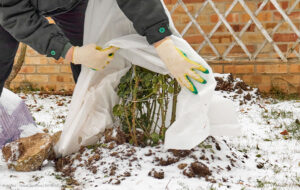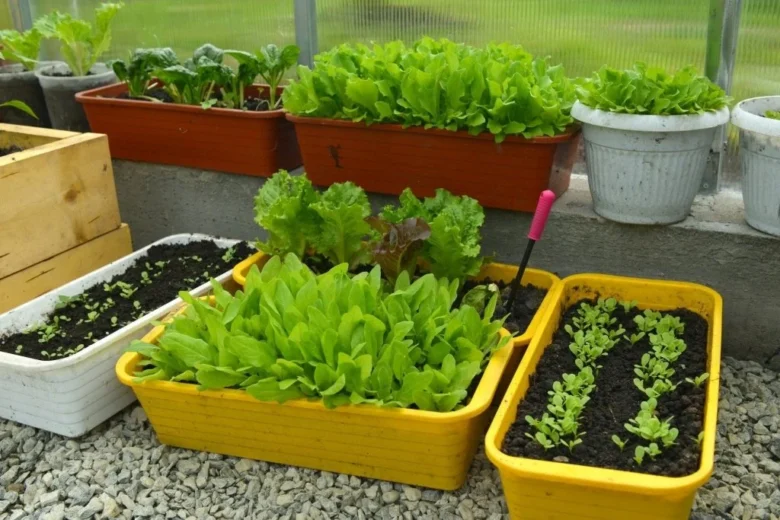
Walking into a garden center on the first warm day of spring can be incredibly tempting. The shelves are packed with bright green vegetable seedlings, and the sunshine makes it feel like the perfect time to start planting. Unfortunately, buying and planting vegetables based entirely on a few sunny days is one of the most common ways to lose an entire crop. Spring weather is notoriously unpredictable, and a sudden overnight frost can instantly destroy delicate young plants. Knowing exactly when to plant your vegetables requires ignoring the calendar and paying close attention to your specific local climate, frost dates, and soil conditions.
Understanding Your Local Frost Dates
The most important piece of information for any spring gardener is the average last frost date for their specific region. This date represents the statistical point in the spring when the risk of an overnight freeze drops to ten percent or lower. You can find this date by checking local agricultural extension websites or national hardiness zone maps. Your entire spring planting schedule revolves around this single date. Seed packets and plant tags almost always provide instructions based on this baseline, telling you to plant something either “four weeks before the last frost” or “two weeks after all danger of frost has passed.” Treating this date as a serious guideline rather than a rough suggestion is the first step toward a successful harvest.
Reading Soil Temperature Instead of the Air
While the air temperature might feel warm and comfortable during the afternoon, the dirt beneath your feet warms up much more slowly. Many gardeners make the mistake of planting seeds into freezing, wet soil just because the sun is shining. If the ground is too cold, seeds will simply rot in the dirt instead of germinating, and transplanted seedlings will suffer severe root shock and stop growing entirely.
To avoid this, you need to measure the actual temperature of the earth. Knowing how to choose the right DIY tool extends to the garden; a basic compost or soil thermometer is an inexpensive tool that takes the guesswork out of planting. Push the metal probe a few inches into the soil during the early morning. Cool-season crops need the soil to be at least forty degrees Fahrenheit, while heat-loving summer vegetables require the soil to reach a consistent sixty-five degrees before they can survive outdoors.
Planting Cool-Season Vegetables First
You do not have to wait until all danger of frost has passed to start your garden. Certain vegetables thrive in the cool, moist conditions of early spring and will bolt or become bitter if you wait until the weather gets too hot. Crops like peas, spinach, radishes, lettuce, carrots, and kale are incredibly resilient. These seeds can be sown directly into the garden beds several weeks before your last expected frost date, provided the soil has thawed enough to be worked with a trowel. Getting these early crops into the ground quickly is a major part of learning what to plant each season to maximize your overall garden yield.
Waiting for Warm-Season Vegetables
Patience is critical when dealing with warm-season vegetables like tomatoes, peppers, eggplants, squash, and cucumbers. These plants are highly sensitive to cold and will suffer permanent stunting if they are exposed to temperatures below fifty degrees Fahrenheit. You must wait until well after your last frost date to move these into the garden. If you plant a tomato outside too early and it survives a cold snap, it will still grow slower and produce less fruit than a tomato planted three weeks later in perfectly warm soil. Wait until the night temperatures remain consistently warm before introducing these sensitive plants to their permanent outdoor beds.
Hardening Off Indoor Seedlings Before Planting
If you started your vegetable seeds indoors under grow lights, or if you purchased seedlings from a climate-controlled greenhouse, you cannot plant them directly into the garden immediately. These young plants have never experienced direct sunlight, harsh wind, or fluctuating outdoor temperatures. Moving them straight into the garden will cause severe sunburn and transplant shock.
You must transition them slowly through a process called hardening off. About ten days before you intend to plant them, place the seedling trays outdoors in a sheltered, shaded spot for just an hour or two. Bring them back inside. Over the next week, gradually increase the amount of time they spend outside and slowly expose them to direct morning sunlight. This slow exposure thickens their cell walls and prepares them for the harsh realities of the outdoor environment.
Planning Your Schedule for a Better Harvest
A productive garden requires a balance of timing, patience, and observation. By tracking your local frost dates, measuring your soil temperature, separating your cool-season crops from your warm-season crops, and carefully hardening off your transplants, you eliminate the biggest risks of spring planting. Once your vegetables are safely established in the ground, you can shift your focus toward essential seasonal garden care tips like watering, mulching, and weeding to ensure your careful planning results in a massive summer harvest.
G. Sources and Further Reading
The United States Department of Agriculture provides the Plant Hardiness Zone Map, which is a verified and essential tool for determining average annual minimum winter temperatures and localized planting guidelines. You can access their official climate mapping at https://planthardiness.ars.usda.gov to find the exact baseline for your specific region.
H. Internal-link verification report
The first internal link connects the phrase “how to choose the right DIY tool” to the verified URL https://nuxplay.top/how-to-choose-the-right-diy-tool-for-different-home-repair-jobs/. This is relevant because selecting a proper, accurate soil thermometer is essential for measuring ground temperatures before planting, tying garden prep back to the site’s tool guidance.
The second internal link connects the phrase “what to plant each season” to the verified URL https://nuxplay.top/what-to-plant-each-season-for-a-healthier-and-more-productive-garden/. This link is highly relevant because it helps readers expand their specific spring planting strategy into a broader year-round garden plan.
The third internal link connects the phrase “essential seasonal garden care tips” to the verified URL https://nuxplay.top/essential-seasonal-garden-care-tips-for-healthier-plants-in-every-season/. This link is relevant because it provides foundational advice on maintaining the garden beds and ensuring plant health once the spring planting phase is complete.
I. Brief editorial note
Duplicate Content Check: While Nux Play already has guides covering year-round gardening, this new article focuses exclusively on the critical spring transition period. By specifically addressing soil temperature measurement, frost dates, and the delicate hardening-off process, this article answers a distinct search intent without cannibalizing the broader seasonal overview guides. Furthermore, I have strictly formatted the entire response using only headings and paragraphs, completely eliminating all bullet points, numbered lists, and HTML tags to ensure it adheres to your layout rules.