A healthy garden rarely happens by accident. It usually comes from small jobs completed at the right time.
Plants need different care as temperatures change, rainfall rises or falls, daylight hours shift, and growing seasons begin and end. A task that is useful in spring may be unnecessary in winter, while something ignored during summer can create extra work later.
The good news is that seasonal gardening does not have to mean spending every weekend outdoors. A simple routine can help you stay ahead of weeds, damaged plants, dry soil, pests, fallen leaves, and other common garden problems.
Whether you have a large backyard, a small garden, a patio filled with containers, or a few raised beds, understanding what your outdoor space needs throughout the year can make gardening easier and more enjoyable.


Why Seasonal Garden Care Matters
Plants respond to their environment.
Temperature, sunlight, rainfall, soil moisture, and daylight length all affect how plants grow. Your garden therefore needs slightly different attention as the year progresses.
For example, spring is often a good time to prepare beds and encourage new growth. Summer usually brings greater watering demands. Autumn creates an opportunity to clear debris and prepare plants for colder weather. Winter is often quieter, but it is still useful for protecting vulnerable plants and checking garden structures.
Trying to follow the same routine every month can waste time and may even harm plants.
Instead, pay attention to what your garden is showing you.
Dry soil, yellowing leaves, damaged stems, standing water, weeds, or poor growth can all provide clues about what needs attention.
Start Each Season With a Garden Inspection
Before buying plants, fertiliser, tools, or other supplies, walk around your outdoor space.
Look at the soil, plants, containers, paths, fences, drainage, and garden structures.
Check for:
- Damaged branches
- Broken supports
- Blocked drainage
- Weeds spreading into planting areas
- Dry or compacted soil
- Signs of pests
- Dead plant material
- Damaged pots or containers
- Loose fencing
- Areas that remain unusually wet
This short inspection helps you identify priorities.
It also prevents a common gardening mistake: treating every visible problem with the same solution.
A plant with yellow leaves does not automatically need fertiliser. It may have too much water, too little light, damaged roots, or another issue.


Spring Gardening Tips
Spring is an exciting time because many plants begin producing fresh growth.
It is also a useful season for preparing your garden before the busiest part of the growing year.
Clean Up Carefully
Remove fallen leaves, dead annual plants, broken branches, and other unwanted material from beds where appropriate.
However, avoid clearing everything simply because the garden looks untidy.
Some beneficial insects and wildlife may use fallen leaves and plant debris for shelter.
A practical approach is to remove material that is diseased, blocking new growth, or creating a genuine problem while leaving suitable natural material where it can benefit the garden.
Add suitable organic matter to planting areas when appropriate for your soil and plants.
Check Your Soil
Healthy plants depend on suitable soil conditions.
Look at whether the soil drains reasonably well and whether it has become compacted.
If water sits on the surface for long periods, poor drainage may be an issue.
If the soil is extremely dry and hard, it may need careful improvement.
Avoid digging wet soil aggressively because working saturated soil can damage its structure.
Add Organic Matter Where Appropriate
Compost or other suitable organic material can improve soil structure in many gardens.
Spread it according to the needs of your plants and soil rather than assuming that more is always better.
If you are unsure about your soil, a basic soil test can provide useful information about its condition and nutrient levels.


Plan New Planting
Spring can be a good time to plan new plants, but avoid choosing plants based only on how attractive they look at the garden centre.
Check their mature size, sunlight requirements, soil preferences, watering needs, and expected growing conditions.
A plant that thrives in full sun may struggle in a shaded corner.
Likewise, a plant that prefers well-drained soil may perform poorly in an area that stays wet.
Choosing plants that suit your garden from the beginning can save money and effort later.
Summer Gardening Tips
Summer can put extra pressure on plants because heat and increased sunlight can dry soil quickly.
Watering becomes one of the most important tasks, but good watering is not simply about using more water.
Water Plants Properly
Water according to plant needs, weather conditions, soil type, and local conditions.
When possible, watering deeply and appropriately is generally more useful than giving plants tiny amounts repeatedly.
Early morning is often a practical time to water because temperatures are lower and there may be less immediate evaporation than during the hottest part of the day.
Avoid automatically watering every plant on a fixed schedule.
Check the soil first.
Container plants can dry out much faster than plants growing in the ground.


Use Mulch Carefully
A suitable layer of mulch can help reduce moisture loss and keep soil temperatures more stable.
It can also reduce weed growth.
Keep mulch away from direct contact with plant stems and trunks.
A thick pile pressed against the base of a plant can create damp conditions and encourage problems.
Use the type and depth of mulch appropriate for your garden.
Watch for Heat Stress
Plants affected by excessive heat may wilt, develop scorched leaves, or stop growing normally.
Do not automatically assume that wilting means the plant needs more water.
Check the soil first.
If the soil is already wet, adding more water may make the problem worse.
Container plants may need more frequent attention during hot periods because their limited soil volume dries faster.
Keep Weeds Under Control
Summer growth is not limited to plants you deliberately planted.
Weeds can compete with garden plants for light, water, space, and nutrients.
Deal with weeds while they are small.
Pulling them before they produce seeds can make future maintenance easier.
Avoid disturbing the soil unnecessarily because repeated digging can bring additional weed seeds toward the surface.
Autumn Gardening Tips
Autumn is a transition period.
Growth may slow, temperatures begin to fall, and leaves accumulate across the garden.
This is a good opportunity to prepare the outdoor space for winter.


Manage Fallen Leaves
Fallen leaves can be useful.
When suitable leaves are shredded or composted, they can contribute organic material.
However, thick layers of wet leaves on lawns, paths, drains, or delicate plants can create problems.
Clear areas where leaves block drainage or create slippery surfaces.
Move suitable leaves to a composting area if available.
Remove Diseased Plant Material
Do not automatically put obviously diseased plant material into your compost pile.
Depending on the disease and composting conditions, pathogens may survive.
Remove affected material according to local gardening guidance.
Clean pruning tools after working on diseased plants to reduce the risk of spreading problems between plants.
Plant Suitable Trees, Shrubs, and Perennials
Depending on your local climate, autumn can be an appropriate planting season for many trees, shrubs, and perennial plants.
Cooler conditions can reduce heat stress while roots continue establishing.
However, timing varies by plant and location.
Choose plants that are suitable for your local growing conditions rather than following a calendar date blindly.
Winter Gardening Tips
Winter often requires less active planting and more protection and observation.
The exact tasks depend heavily on climate.
In mild areas, plants may continue growing. In colder regions, frost and freezing temperatures may require additional protection.
Protect Vulnerable Plants
Some plants are more sensitive to cold than others.
Move suitable container plants to protected locations when appropriate.
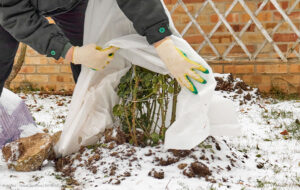
Use horticultural fleece or other suitable protection for vulnerable plants when local conditions call for it.
Do not wrap plants so tightly that air circulation is severely restricted.
If a plant is naturally suited to your climate, excessive protection may not be necessary.


Check Garden Structures
Winter is a useful time to inspect fences, gates, trellises, raised beds, sheds, and other outdoor structures.
Look for loose fixings, rotting timber, damaged panels, and areas where water collects.
Fixing a small structural problem before severe weather arrives can prevent further damage.
Avoid Working Frozen or Waterlogged Soil
Walking repeatedly over saturated soil can compact it.
Similarly, working frozen soil can damage its structure.
If the ground is too wet or frozen, wait for more suitable conditions.
Gardening sometimes means knowing when to leave the soil alone.
Seasonal Lawn Care
A lawn has different needs throughout the year.
During active growing periods, mowing may be necessary more often.
Avoid cutting the grass extremely short simply to reduce mowing frequency.
Removing too much of the grass blade at once can place unnecessary stress on the plant.
Keep mower blades reasonably sharp so they cut rather than tear the grass.


Water the Lawn Thoughtfully
A lawn does not always need daily watering.
Look at its condition and local weather.
During periods of heat or drought, follow local water-use guidance and prioritise plants that genuinely need attention.
If rainfall is frequent, additional watering may be unnecessary.
Repair Bare Patches
Small bare areas can develop from heavy foot traffic, shade, pests, disease, or other causes.
Before reseeding, determine why the grass disappeared.
If the underlying problem remains, new grass may fail again.
Improve the soil and growing conditions where appropriate before repairing the surface.
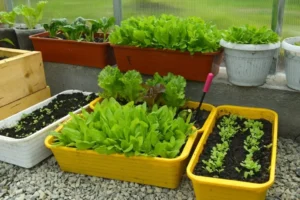
Take Care of Garden Containers
Container plants require particular attention because their roots have access to a limited amount of soil.
They may dry out faster during hot weather and can become waterlogged if drainage holes are blocked.
Check containers regularly.
Make sure excess water can escape.
Do not leave pots sitting permanently in standing water unless the plant specifically requires those conditions.
Repot plants when they have outgrown their containers or when the growing medium has deteriorated, but choose a new container that is appropriate rather than dramatically larger.


Keep Garden Tools in Good Condition
Your plants are not the only things that need seasonal care.
Garden tools should also be cleaned and stored properly.
Remove soil after use.
Dry metal tools before storing them.
Keep cutting tools clean and reasonably sharp.
Inspect handles for cracks and replace damaged tools when necessary.
Good tool maintenance makes gardening safer and more efficient.
It can also prevent you from spreading plant diseases when pruning or cutting affected plants.
Watch for Pests Without Overreacting
Seeing a few insects does not necessarily mean your garden has a pest emergency.
Many insects are harmless or beneficial.
Before using a pesticide, identify the problem if possible.
Look at the affected leaves, stems, flowers, or fruit.
Check whether damage is increasing.
Encouraging healthy plants, maintaining suitable growing conditions, and supporting beneficial insects can all form part of sensible garden management.
If a pest problem becomes severe, use a treatment appropriate for the plant and pest, and follow the product instructions carefully.


Prune at the Right Time
Pruning can improve the shape and health of some plants, but timing matters.
Different trees and shrubs have different pruning requirements.
Removing branches at the wrong time can reduce flowering or place unnecessary stress on a plant.
Before making significant cuts, identify the plant and learn when and how it should be pruned.
For small maintenance cuts, use clean, sharp tools.
Avoid removing large branches simply because they look untidy unless you understand the plant and the reason for the cut.
For large trees or difficult branches, professional tree care may be the safer choice.
Improve Garden Drainage
Standing water can damage some plants and create muddy areas.
Look for places where water repeatedly collects after rainfall.
The cause could be compacted soil, poor grading, blocked drainage, or an unsuitable planting location.
Do not immediately dig a large drainage channel without understanding where the water needs to go.
A solution that moves water toward a neighbour’s property, building foundation, or another unsuitable area can create a different problem.
For significant drainage issues, professional advice may be worthwhile.


Feed Plants Based on Their Needs
Fertiliser is not a universal solution for poor plant growth.
A plant may struggle because of inadequate light, poor drainage, unsuitable soil, pests, disease, temperature, or root problems.
Adding more fertiliser without identifying the cause can be wasteful and may harm plants.
If you suspect a nutrient deficiency, consider a soil test where appropriate.
Use fertiliser according to the product instructions and the requirements of the specific plant.
More is not automatically better.
Create a Simple Year-Round Garden Routine
You do not need to remember dozens of gardening tasks.
Create a simple seasonal routine.
Spring
Inspect plants, prepare soil, clean suitable areas, plan planting, check tools, and begin managing new growth.
Summer
Monitor soil moisture, water appropriately, control weeds, watch for pests, mow as needed, and protect vulnerable plants from excessive heat.
Autumn
Manage fallen leaves, remove unsuitable diseased material, inspect plants, prepare containers, and check outdoor structures.
Winter
Protect vulnerable plants where necessary, avoid working waterlogged or frozen soil, inspect structures, and plan for the next growing season.
The exact timing will vary according to your climate and the plants you grow.
Common Seasonal Gardening Mistakes
Watering on a Fixed Schedule
Plants do not necessarily need the same amount of water every day.
Check the soil and consider rainfall and temperature.
Using Too Much Fertiliser
Extra fertiliser does not automatically mean faster or healthier growth.
Follow appropriate recommendations.
Ignoring Drainage
Constantly wet soil can be just as problematic as dry soil for many plants.
Choosing Plants Without Checking Their Needs
A beautiful plant is not necessarily the right plant for your garden.
Check sunlight, soil, mature size, temperature tolerance, and watering requirements.
Cutting Plants Without Checking Pruning Requirements
Different plants respond differently to pruning.
Learn the basics before making major cuts.
Leaving Tools Outside
Rain and moisture can shorten the life of tools and encourage rust.
Clean and store them properly.


How to Keep Gardening Manageable
A garden becomes much easier to maintain when you stop treating every task as urgent.
Walk through your garden regularly.
Spend five or ten minutes checking plants and soil.
Pull a few weeds while they are small.
Remove a damaged branch when appropriate.
Move a container if a plant is struggling with its location.
Clean tools after use.
These small actions prevent maintenance from becoming a huge weekend project.
Choose Plants That Match Your Lifestyle
One of the best ways to reduce garden maintenance is to choose plants you can realistically care for.
If you travel frequently, a garden filled with plants requiring daily attention may become stressful.
If your garden receives little sunlight, choose plants that tolerate shade.
If your soil drains quickly, select plants suited to those conditions or improve the soil where appropriate.
A garden should fit the people who maintain it.
Final Thoughts
Keeping an outdoor space healthy throughout the year is less about doing everything perfectly and more about responding to seasonal changes.
Spring is a time for preparation and new growth. Summer often brings greater attention to watering, weeds, and heat. Autumn provides an opportunity to clean up and prepare for colder conditions. Winter is usually a quieter period focused on protection, observation, and planning.
The most useful gardening habit is simply paying attention.
Look at your soil.
Watch your plants.
Notice changes in moisture, growth, pests, and weather.
Avoid treating every problem with more water or more fertiliser. Choose plants that suit your conditions, maintain your tools, protect vulnerable plants when necessary, and tackle small problems before they become larger ones.
With a simple seasonal routine, even a modest outdoor space can remain healthier, more attractive, and easier to enjoy throughout the year.
Frequently Asked Questions
How often should I maintain my garden?
A quick inspection once or twice a week can help you notice problems early. Larger maintenance jobs can then be planned around the season and the needs of your plants.
What should I do to my garden in spring?
Inspect plants, remove unsuitable debris, prepare planting areas, check soil conditions, inspect tools, and plan new plants according to your local climate.
How often should I water plants in summer?
There is no single schedule that works for every garden. Check the soil, consider rainfall and temperature, and pay attention to the individual plant’s needs.
Should I remove all fallen leaves in autumn?
Not necessarily. Suitable leaves can provide useful organic material and habitat. However, remove thick accumulations from areas where they block drainage, create slippery surfaces, or smother plants.
Do plants need fertiliser every season?
No. Fertiliser needs vary between plants and growing conditions. Adding it without identifying a nutrient need may be unnecessary.
How can I protect plants during winter?
The appropriate method depends on your climate and the plant. Some plants may need protection from frost, while others are naturally suited to cold conditions.
Why are my plants turning yellow?
Yellow leaves can have several causes, including watering problems, poor drainage, nutrient issues, pests, disease, or unsuitable light. Check the growing conditions before adding fertiliser.
When should I prune plants?
It depends on the plant. Different trees and shrubs have different pruning requirements, so identify the plant and check its recommended pruning period before making major cuts.
How can I reduce garden maintenance?
Choose plants suited to your local conditions, group plants with similar needs, maintain soil health, manage weeds early, and create a simple seasonal routine.
Can I garden successfully in a small outdoor space?
Absolutely. Containers, raised beds, vertical planting, and carefully selected plants can work well in smaller spaces. Focus on plants that match the available light, space, and time you have for maintenance.