Owning or renting a home comes with a long list of small maintenance issues. A dripping faucet, squeaky door, clogged drain, or loose cabinet handle may seem minor at first, but if ignored, these everyday problems can become frustrating and sometimes expensive. The good news is that many common household issues don’t require specialized skills or costly service calls. With a few basic tools, a little patience, and the right approach, you can solve many of these problems yourself.
When I first started handling simple home repairs, I assumed every issue needed a professional. Over time, I realized that many repairs took less than 30 minutes and required only inexpensive supplies. Learning these basic DIY fixes not only saved money but also made home maintenance far less stressful. The confidence that comes from solving small problems yourself is an added bonus.
This guide covers 20 common household problems that beginners can safely fix on their own. It also explains when a repair is suitable for DIY and when it’s better to contact a qualified professional for safety reasons.
Why Learning Basic DIY Home Repairs Is Worth It
Small repairs are a normal part of home ownership. Addressing them early can help prevent larger issues later.
Benefits of learning simple home repairs include:
- Save money on service calls
- Prevent small problems from becoming expensive repairs
- Improve home safety and comfort
- Extend the life of household fixtures
- Build practical DIY skills
- Reduce unnecessary stress
Keep a basic toolbox with a screwdriver set, adjustable wrench, pliers, utility knife, measuring tape, hammer, flashlight, and a small level. These tools are enough for many beginner-friendly repairs.
1. Fix a Dripping Faucet
A constantly dripping faucet wastes water and can increase your utility bill over time.
Common causes
- Worn rubber washer
- Damaged O-ring
- Loose parts
- Mineral buildup
How to fix it
- Turn off the water supply.
- Remove the faucet handle.
- Replace the worn washer or O-ring.
- Clean mineral deposits.
- Reassemble and test.
If the faucet continues leaking after replacing common wear parts, the cartridge or valve may need replacement.
2. Stop a Running Toilet
A toilet that keeps running can waste a surprising amount of water.
Check these parts
- Flapper
- Fill valve
- Float position
- Chain length
Most replacement parts are inexpensive and available at hardware stores.
3. Unclog a Slow Drain
Hair, soap residue, and grease often cause slow drains.
Try these steps:
- Remove visible debris.
- Pour hot (not boiling) water for grease buildup where appropriate.
- Use a drain snake.
- Clean the drain stopper.
Avoid mixing chemical drain cleaners, as they can damage pipes and create safety hazards.
4. Tighten Loose Cabinet Handles
Cabinet handles loosen with daily use.
Use a screwdriver to tighten mounting screws. If screws no longer hold, replace them with the correct size rather than forcing oversized screws that may damage the cabinet.
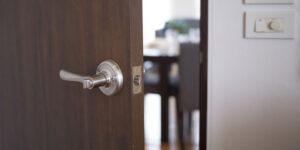
5. Silence Squeaky Doors
Squeaky hinges are easy to fix.
Steps:
- Clean the hinge.
- Apply a silicone-based lubricant or a suitable household lubricant.
- Open and close the door several times.
- Wipe away excess lubricant.
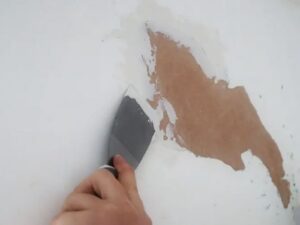
6. Repair Small Holes in Walls
Tiny nail holes and minor dents are simple to repair.
You’ll need:
- Wall filler or spackling compound
- Putty knife
- Fine sandpaper
- Matching paint
Allow the filler to dry completely before sanding and repainting.
7. Replace a Broken Light Switch Cover
Cracked switch plates affect appearance and can expose wiring if severely damaged.
Turn off power to the circuit before replacing the cover. If the switch itself is loose, sparking, warm, or not functioning properly, contact a qualified electrician.
8. Fix Sticky Doors
Wood doors often stick because of humidity or loose hinges.
Try:
- Tightening hinges
- Cleaning door edges
- Lightly sanding problem areas if needed
- Applying furniture wax to contact points
Avoid removing too much material.
9. Re-Caulk Around the Bathtub
Old caulk can crack and allow water to seep behind fixtures.
Steps
- Remove old caulk.
- Clean the surface thoroughly.
- Let it dry completely.
- Apply new bathroom-grade caulk.
- Smooth the bead evenly.
- Allow proper curing time before using the shower or tub.
10. Stop Cabinet Doors from Slamming
Install soft-close bumpers or adjust cabinet hinges if they are designed for adjustment.
This inexpensive upgrade also helps protect cabinet finishes.
11. Remove Scuff Marks from Walls
Many scuff marks come off without repainting.
Try:
- A damp microfiber cloth
- Mild dish soap solution
- A melamine cleaning sponge (test in an inconspicuous area first)
Avoid abrasive scrubbing on delicate paint finishes.
12. Replace Worn Weather Stripping
Damaged weather stripping allows drafts and reduces energy efficiency.
Replacing it can help:
- Improve indoor comfort
- Reduce drafts
- Improve heating and cooling efficiency
- Reduce outside noise
13. Fix Loose Toilet Seats
A loose toilet seat is uncomfortable but usually simple to repair.
Tighten the mounting bolts using the correct tool. Replace cracked hardware if necessary.
14. Repair Loose Drawer Slides
Drawers that wobble or stick often need:
- Tightened screws
- Cleaned tracks
- Lubricated slides
- Replacement rollers if worn
Don’t overload drawers beyond their design capacity.
15. Clean Refrigerator Door Seals
Dirty door seals reduce efficiency.
Clean with:
- Warm water
- Mild soap
- Soft cloth
Inspect for cracks or tears. Damaged seals should be replaced to maintain a proper seal.
16. Stop Furniture from Wobbling
Uneven furniture can often be fixed by:
- Tightening fasteners
- Adding furniture pads
- Installing adjustable leveling feet where appropriate
Always check that the furniture is stable before use.
17. Replace Air Filters
Dirty HVAC filters can reduce airflow and system efficiency.
Check your filter regularly and replace it according to the manufacturer’s recommendations or sooner if it becomes dirty.
18. Fix Loose Curtain Rods
Curtain rods may loosen over time.
Solutions include:
- Tightening brackets
- Installing proper wall anchors
- Repositioning brackets into wall studs when possible
Use hardware appropriate for the wall type.
19. Remove Minor Floor Scratches
Different flooring requires different repair methods.
Examples include:
- Wood repair markers for light scratches
- Manufacturer-approved repair kits
- Furniture pads to prevent future damage
Always follow the flooring manufacturer’s care recommendations.
20. Organize Loose Cables
Messy cables create clutter and may become a tripping hazard.
Simple solutions:
- Cable clips
- Velcro ties
- Cable sleeves
- Labeling cords
- Keeping power strips organized
Good cable management also makes future troubleshooting easier.
Essential DIY Safety Tips
Before starting any repair:
- Turn off electricity when working near electrical fixtures.
- Shut off the water supply before plumbing repairs.
- Wear safety glasses when drilling or sanding.
- Use the correct tool for the job.
- Read product instructions carefully.
- Keep children and pets away from the work area.
- Never rush a repair.
Safety should always come before convenience.
When You Should Call a Professional
Some household problems require specialized knowledge or equipment.
Contact a qualified professional if you notice:
- Major electrical faults
- Burning smells from outlets
- Gas leaks or suspected gas odors
- Significant water damage
- Structural cracks
- Roof leaks
- Mold covering large areas
- Plumbing leaks inside walls
- Sewer backups
- Foundation movement
Attempting these repairs yourself may create safety risks or lead to more extensive damage.
Common DIY Mistakes to Avoid
Many beginner repairs go wrong because of simple mistakes.
Avoid:
- Using the wrong screwdriver size
- Overtightening screws
- Ignoring safety precautions
- Buying incorrect replacement parts
- Skipping cleaning before repairs
- Using excessive force
- Forgetting to turn off water or electricity
Taking a few extra minutes to prepare usually leads to better results.
How to Build Confidence with DIY Repairs
If you’re new to home maintenance, start with the simplest tasks.
A good progression is:
- Tighten loose hardware.
- Replace weather stripping.
- Fix squeaky hinges.
- Repair small wall holes.
- Re-caulk a bathtub.
- Replace air filters.
Each successful project builds confidence for the next one.
Final Thoughts
Learning to fix common household problems yourself is one of the most practical skills a homeowner or renter can develop. Many everyday issues, from dripping faucets and squeaky doors to loose cabinet handles and worn weather stripping, can be resolved with basic tools, a little patience, and careful attention to safety. Handling these small repairs promptly can save money, improve your home’s comfort, and help prevent larger problems from developing.
At the same time, it’s important to recognize your limits. Repairs involving electrical systems, gas lines, major plumbing, structural damage, or extensive water issues should always be handled by qualified professionals. Knowing when to do it yourself—and when to seek expert help—is part of responsible home maintenance.
By tackling one small repair at a time, you’ll build useful skills, gain confidence, and keep your home in better condition without relying on a professional for every minor issue.
Frequently Asked Questions
1. What household repairs are safe for beginners?
Beginners can usually handle simple tasks such as tightening loose hardware, replacing weather stripping, fixing squeaky hinges, repairing small nail holes, replacing air filters, cleaning drains, and re-caulking around sinks or bathtubs, provided they follow safety instructions.
2. What basic tools should every homeowner have?
A basic toolkit should include a hammer, screwdriver set, adjustable wrench, pliers, tape measure, utility knife, flashlight, level, and a cordless drill if your budget allows. These tools are suitable for many common home repairs.
3. How can I avoid making DIY repair mistakes?
Plan the repair before you begin, use the correct tools, read product instructions, turn off water or electricity when necessary, and avoid forcing parts that don’t fit. If you’re unsure about a repair, seek advice or hire a qualified professional.
4. When should I stop a DIY repair and call an expert?
Stop immediately if you encounter electrical hazards, gas odors, major leaks, structural damage, extensive mold, or repairs that require specialized knowledge or permits. Safety should always come first.
5. Can regular home maintenance save money?
Yes. Routine maintenance and prompt repairs can help extend the life of household fixtures and appliances, improve energy efficiency, and reduce the likelihood of more expensive repairs in the future.
6. How often should I inspect my home for maintenance issues?
A quick monthly inspection of plumbing fixtures, doors, windows, HVAC filters, smoke alarms, and visible signs of leaks or wear can help you identify small problems before they become larger and more costly to fix.