Introduction
A healthy garden does not stay the same throughout the year. Plants respond to temperature, sunlight, rainfall, and seasonal changes, which means garden care should change as the months pass.
Many gardening problems happen because the same routine is followed all year. A watering schedule that works during hot weather may be unnecessary during cooler months. A pruning task that helps one plant in spring may harm another if done at the wrong time.
Seasonal maintenance is about understanding what your garden needs at different stages of the year. By adjusting simple habits, you can help plants stay healthier, reduce unnecessary work, and keep outdoor spaces looking better.
You do not need complicated gardening methods. Small, consistent tasks performed at the right time can make a noticeable difference.
Spring Garden Maintenance: Preparing for New Growth
Why Spring Care Matters
Spring is the season when many plants begin active growth after winter. This is the ideal time to prepare soil, clean garden areas, and support new plants.
A neglected garden may struggle because leftover debris, compacted soil, and damaged growth can limit healthy development.
Clean Garden Beds and Remove Winter Debris
The Task
After colder months, gardens often collect:
- Fallen leaves.
- Dead plant material.
- Broken branches.
- Weeds.
Why It Helps
Cleaning garden beds allows:
- Better airflow.
- More sunlight reaching plants.
- Easier weed control.
- A cleaner growing environment.
Remove unwanted debris carefully, especially around young plants.
Prepare Soil Before Planting
The Task
Spring is a good time to improve soil condition before adding new plants.
Simple soil preparation includes:
- Loosening compacted areas.
- Adding organic material.
- Removing large rocks or unwanted roots.
- Checking drainage.
Healthy soil provides better support for plant roots.
Start Weed Control Early
Why It Matters
Small weeds are easier to manage than mature weeds with established roots.
Helpful Habits
Try:
- Checking garden beds regularly.
- Removing weeds before they spread.
- Adding mulch around plants.
- Keeping bare soil covered.
Early attention reduces future maintenance.
Summer Garden Maintenance: Managing Heat and Growth
Why Summer Care Matters
Summer often brings higher temperatures and faster plant growth. Gardens usually need more attention because plants lose moisture quickly.
The main goals during summer are protecting plants from heat, maintaining moisture, and controlling excessive growth.
Adjust Watering Habits
The Task
Plants often need more water during hot periods, but watering incorrectly can create problems.
Better Practices
Consider:
- Watering early in the morning.
- Checking soil moisture before watering.
- Directing water toward plant roots.
- Avoiding frequent shallow watering.
Deep and consistent watering often encourages stronger root growth.
Use Mulch to Protect Soil
Why Mulch Helps
Mulch can help:
- Reduce water loss.
- Control weeds.
- Protect soil temperature.
- Improve garden appearance.
Common mulch materials include:
- Wood chips.
- Leaves.
- Compost.
- Straw.
Apply mulch carefully and avoid covering plant stems directly.
Monitor Plants for Stress
Signs of Summer Stress
Plants may show:
- Drooping leaves.
- Yellowing.
- Dry soil.
- Slow growth.
Regular observation helps you respond before problems become severe.
Keep Up With Pruning and Trimming
The Task
Fast-growing plants may need occasional trimming during summer.
Remove:
- Dead branches.
- Damaged growth.
- Overcrowded areas.
Avoid excessive pruning during extreme heat because plants may experience additional stress.
Fall Garden Maintenance: Preparing for Cooler Months
Why Fall Care Matters
Fall is a preparation season. Many gardeners focus only on spring, but autumn maintenance can make the next growing season easier.
The goal is to protect soil, manage plant debris, and prepare plants for changing conditions.
Remove Diseased Plant Material
The Task
Not all plant debris should remain in the garden.
Remove plants or leaves showing signs of:
- Disease.
- Severe damage.
- Pest problems.
Leaving unhealthy material can contribute to future issues.
Add Organic Matter to Soil
Why It Helps
Fall is a good time to improve soil naturally.
Adding materials such as compost can help:
- Improve soil structure.
- Add nutrients.
- Support future plant growth.
Allowing organic material time to break down can benefit the garden later.
Plant Suitable Fall Crops and Flowers
The Task
Some plants grow well during cooler temperatures.
Depending on your location, fall may be a good time for:
- Cool-season vegetables.
- Spring-blooming bulbs.
- Hardy plants.
Choose plants based on your local climate conditions.
Protect Sensitive Plants
The Task
Some plants need extra protection as temperatures drop.
Helpful steps include:
- Adding mulch around roots.
- Moving container plants indoors when needed.
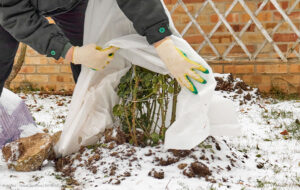
- Covering sensitive plants during cold nights.
Protection methods depend on plant type and local weather.
Winter Garden Maintenance: Protecting and Planning
Why Winter Care Matters
Winter may seem like a time when gardens require no attention, but simple maintenance can prevent problems.
The focus shifts from active growth to protection and planning.
Protect Soil From Damage
Helpful Habits
During winter:
- Avoid walking on wet garden soil.
- Keep soil covered where possible.
- Protect exposed areas from erosion.
Healthy soil preparation helps future planting.
Maintain Tools During the Off-Season
The Task
Winter is a good time to care for gardening equipment.
Maintenance may include:
- Cleaning tools.
- Removing rust.
- Sharpening blades.
- Storing equipment properly.
Well-maintained tools last longer and work better.
Plan Next Season’s Garden
The Task
Use quieter months to prepare.
Consider:
- Which plants performed well.
- Which areas need improvement.
- New plants you want to try.
- Changes to garden layout.
Planning ahead makes future gardening easier.
Seasonal Garden Tasks at a Glance
Spring
Focus on:
- Cleaning garden areas.
- Preparing soil.
- Planting new growth.
- Starting weed control.
Summer
Focus on:
- Water management.
- Mulching.
- Monitoring plant health.
- Managing fast growth.
Fall
Focus on:
- Cleaning unhealthy plant material.
- Improving soil.
- Preparing plants for cooler weather.
Winter
Focus on:
- Protecting soil.
- Maintaining tools.
- Planning future projects.
Common Seasonal Gardening Mistakes
Using the Same Routine All Year
Problem:
Plants have different needs during different seasons.
Better approach:
Adjust watering, pruning, and maintenance based on weather and plant growth.
Overwatering During Cooler Months
Problem:
Plants often need less water when growth slows.
Better approach:
Check soil conditions before watering.
Ignoring Soil Health
Problem:
Plants depend on healthy soil for strong growth.
Better approach:
Add organic matter and maintain good soil structure.
Waiting Too Long to Remove Weeds
Problem:
Large weeds compete with plants for resources.
Better approach:
Remove weeds regularly before they spread.
Frequently Asked Questions
Do gardens need maintenance during winter?
Yes. Winter maintenance focuses on protecting plants, caring for tools, and preparing for the next growing season.
How often should I check my garden?
Regular observation is helpful. Frequent checks allow you to notice weeds, pests, watering issues, and plant stress early.
Is spring the most important gardening season?
Spring is important, but every season has different tasks that support long-term garden health.
Should I water plants the same way throughout the year?
No. Watering needs change depending on temperature, rainfall, plant type, and growth stage.
Can seasonal maintenance reduce gardening work?
Yes. Regular seasonal care often prevents larger problems and makes future maintenance easier.
Conclusion
Garden care changes with every season because plants respond to different environmental conditions throughout the year. A successful garden is not created by doing the same tasks repeatedly but by adjusting habits as conditions change.
Spring focuses on preparation, summer requires careful watering and protection, fall helps the garden recover and prepare, and winter provides time for maintenance and planning.
By developing seasonal gardening habits, you can create a healthier outdoor space while making garden care more manageable and enjoyable.