Introduction
A beautiful garden does not happen by accident. Healthy outdoor spaces are created through regular care, observation, and small improvements made throughout the year.
Many gardeners focus heavily on planting but forget that maintenance is what keeps plants thriving. Soil needs attention, tools need care, weeds need control, and plants need different support as seasons change.
A year-round gardening routine does not mean spending hours outside every day. It means creating simple habits that match what your garden needs at different times.
With consistent care, even a small yard, balcony garden, or outdoor space can become healthier, more attractive, and easier to maintain.
Start the Year by Evaluating Your Garden
Why Planning Matters
Before beginning seasonal tasks, take time to understand the current condition of your outdoor space.
Many gardening problems happen because people treat every area the same, even though different parts of a garden may have different needs.
Check Important Areas
Look at:
- Plant health.
- Soil condition.
- Sunlight patterns.
- Drainage problems.
- Areas with heavy weed growth.
- Damaged garden structures.
A simple inspection helps you decide where your attention is needed most.
Winter Gardening Routine: Protect and Prepare
Focus During Winter
Winter is often a quieter gardening period, but it is still important for maintaining a healthy outdoor space.
The goal is not active growth. Instead, focus on protection, preparation, and planning.
Protect Plants From Cold Conditions
Helpful Tasks
Depending on your climate and plants, you may need to:
- Add mulch around plant roots.
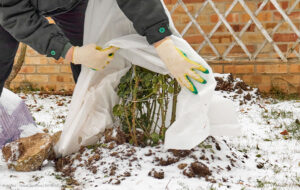
- Protect sensitive plants from frost.
- Move container plants to safer locations.
- Remove damaged branches.
Protection helps plants handle colder conditions more successfully.
Care for Garden Tools
Why It Matters
Gardening tools work better when they are clean and maintained.
Winter is a good time to:
- Remove soil from tools.
- Clean pruning equipment.
- Sharpen blades.
- Store tools in a dry location.
Well-maintained tools make future gardening tasks easier.
Plan Future Garden Improvements
Use Winter for Preparation
A slower season provides time to think about:
- New plants to add.
- Areas that need improvement.
- Changes to garden layout.
- Better storage solutions.
Planning ahead reduces rushed decisions during busy growing seasons.
Spring Gardening Routine: Encourage New Growth
Focus During Spring
Spring is a period of renewal. Plants begin growing again, and gardens need preparation after winter.
The main goals are improving soil, encouraging healthy growth, and controlling early problems.
Clean and Prepare Garden Areas
Spring Tasks
Remove:
- Fallen leaves.
- Dead plant material.
- Broken branches.
- Old weeds.
Cleaning helps improve airflow and makes it easier to monitor plant health.
Improve Soil Quality
Why Soil Matters
Healthy plants begin with healthy soil.
Simple soil improvements include:
- Adding compost.
- Loosening compacted areas.
- Improving drainage.
- Adding organic material.
Good soil supports stronger roots and better plant development.
Begin Weed Prevention
Why Early Action Helps
Young weeds are easier to remove before they spread.
Create habits such as:
- Checking garden beds regularly.
- Removing weeds before flowering.
- Applying mulch.
- Keeping soil covered.
Prevention reduces future garden work.
Summer Gardening Routine: Maintain Growth
Focus During Summer
Summer often brings rapid growth, higher temperatures, and increased water needs.
The priority is keeping plants hydrated and protecting them from stress.
Create a Consistent Watering Routine
Better Watering Habits
Healthy watering includes:
- Checking soil before watering.
- Watering near plant roots.
- Avoiding unnecessary watering during rainy periods.
- Watering during cooler parts of the day.
Too much water can create problems, while too little can weaken plants.
Maintain Mulch and Ground Cover
Why Mulch Helps
Mulch can support garden health by:
- Reducing moisture loss.
- Limiting weed growth.
- Protecting soil temperature.
- Reducing soil erosion.
Check mulch levels throughout summer and refresh when needed.
Monitor Plants Regularly
Look for Warning Signs
Check plants for:
- Yellow leaves.
- Wilting.
- Pest damage.
- Unusual growth changes.
Early detection makes problems easier to manage.
Fall Gardening Routine: Restore and Prepare
Focus During Fall
Fall is a valuable season for garden recovery and preparation.
The goal is to improve soil, clean up carefully, and prepare plants for changing weather.
Remove Unhealthy Plant Material
Why It Matters
Dead or diseased plant material can create future problems.
Remove:
- Diseased leaves.
- Damaged plants.
- Excessive fallen debris.
Healthy garden cleanup reduces future maintenance challenges.
Add Compost and Organic Materials
Improve Future Growth
Fall is a useful time to add:
- Compost.
- Aged organic material.
- Natural soil amendments.
These materials can improve soil condition before the next growing period.
Plant for the Next Season
Planning Ahead
Depending on your climate, fall may be suitable for planting:
- Certain vegetables.
- Flower bulbs.
- Hardy plants.
Choosing suitable plants improves long-term garden success.
Create Monthly Garden Maintenance Habits
Weekly Tasks
Simple weekly checks may include:
- Removing visible weeds.
- Checking moisture levels.
- Inspecting plants.
- Removing fallen leaves.
- Looking for pests.
Small weekly habits prevent larger problems.
Monthly Tasks
Monthly maintenance can include:
- Cleaning tools.
- Checking garden structures.
- Reviewing plant growth.
- Refreshing mulch.
- Organizing supplies.
Regular attention keeps tasks manageable.
Improve Soil Health Throughout the Year
Why Soil Care Is Important
Many gardening problems begin below the surface.
Poor soil can affect:
- Root development.
- Water movement.
- Plant strength.
- Nutrient availability.
Healthy Soil Habits
Support soil by:
- Adding compost regularly.
- Avoiding unnecessary disturbance.
- Keeping soil covered.
- Encouraging natural organic activity.
Healthy soil creates a stronger foundation for plants.
Maintain Garden Structures and Equipment
Why It Matters
Outdoor spaces include more than plants.
Structures also need care.
Check:
- Fences.
- Garden beds.
- Trellises.
- Paths.
- Watering equipment.
Repairing small issues early prevents bigger maintenance problems.
Encourage Helpful Wildlife
Why It Helps
A healthy garden often includes beneficial insects and natural activity.
Consider supporting your garden by:
- Growing a variety of plants.
- Avoiding unnecessary chemical use.
- Providing suitable habitats.
- Adding flowers that attract pollinators.
A balanced outdoor space can support more natural growth.
Common Gardening Routine Mistakes
Doing Too Much at Once
Problem:
Large gardening projects can become overwhelming.
Better approach:
Break tasks into smaller seasonal goals.
Ignoring Plant-Specific Needs
Problem:
Different plants require different amounts of water, sunlight, and care.
Better approach:
Learn what each plant needs.
Forgetting Soil Maintenance
Problem:
Adding plants without improving soil can limit results.
Better approach:
Treat soil care as an ongoing task.
Using Too Much Water
Problem:
Overwatering can damage roots and create unhealthy conditions.
Better approach:
Check soil moisture before watering.
Frequently Asked Questions
How often should I maintain my garden?
Small weekly checks combined with seasonal tasks are usually enough for many home gardens.
Do gardens need care during every season?
Yes. Each season has different responsibilities, from protection in winter to active maintenance during warmer months.
What is the most important gardening habit?
Regular observation is one of the most valuable habits because it helps identify problems early.
How can I make gardening easier?
Use simple routines, choose suitable plants, improve soil quality, and avoid letting small problems build up.
Can beginners maintain a healthy garden?
Yes. Beginners can create successful gardens by learning basic seasonal tasks and building consistent habits.
Conclusion
A healthy outdoor space is built through year-round care rather than occasional major efforts. Each season brings different gardening needs, from protecting plants during colder months to managing growth during warmer periods.
A simple routine that includes soil care, regular observation, proper watering, weed control, and seasonal preparation can make gardening easier and more rewarding.
The goal is not a perfect garden. It is a garden that receives steady attention and continues improving over time. Small habits throughout the year can create a healthier, more enjoyable outdoor space for everyone.