A successful garden isn’t built in a single weekend—it’s the result of consistent care throughout the year. Every season brings different weather conditions, growing opportunities, and maintenance tasks. Understanding what to plant and when to care for your garden can help you grow healthier vegetables, colorful flowers, thriving herbs, and stronger trees while avoiding many common gardening mistakes.
When I first started gardening, I believed spring was the only important season. I quickly discovered that gardens need attention all year long. Preparing soil in winter, watering correctly in summer, cleaning up in autumn, and planting at the right time all contribute to healthier plants and better harvests. Once I began following a seasonal gardening routine, maintaining the garden became easier and more rewarding.
Whether you have a large backyard, a small patio, or just a few containers on a balcony, this complete seasonal gardening guide will help you understand what to plant, what maintenance tasks to prioritize, and how to keep your garden productive every month of the year.
Why Seasonal Gardening Matters
Plants naturally respond to changes in temperature, daylight, and rainfall. Working with these seasonal cycles instead of against them helps create a healthier garden.
Benefits of seasonal gardening include:
- Healthier plant growth
- Better flower production
- Higher vegetable yields
- Fewer pest problems
- Improved soil quality
- More efficient use of water and fertilizer
Planning your gardening tasks by season also prevents last-minute work and helps you stay organized.
Understanding Your Local Climate
Before choosing plants, learn about your local growing conditions.
Consider:
- Average temperatures
- Rainfall patterns
- Frost dates
- Sunlight hours
- Soil type
- Humidity levels
These factors determine which plants will grow successfully and when they should be planted.
Spring Gardening Guide
Spring is the season of new growth and one of the busiest times for gardeners.
What to Plant in Spring
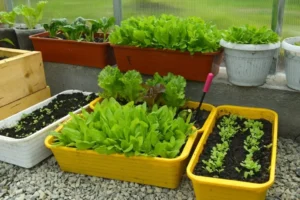
Spring is ideal for planting many vegetables, herbs, flowers, and shrubs.
Popular vegetables include:
- Lettuce
- Spinach
- Carrots
- Peas
- Radishes
- Potatoes
- Onions
Herbs that often grow well include:
- Basil
- Parsley
- Chives
- Cilantro
- Dill
Flowers commonly planted in spring include:
- Marigolds
- Petunias
- Zinnias
- Cosmos
- Sunflowers
Choose varieties that suit your local climate and expected temperatures.
Spring Garden Maintenance
After winter, your garden benefits from a thorough cleanup.
Important tasks include:
- Remove dead leaves and branches.
- Pull early weeds.
- Add compost to garden beds.
- Test soil if needed.
- Prune damaged branches.
- Divide overcrowded perennials.
- Apply fresh mulch.
- Check irrigation systems.
Healthy soil is one of the best investments you can make in your garden.
Summer Gardening Guide
Summer is when gardens grow rapidly but also face challenges from heat and drought.
What to Plant in Summer
Warm weather supports many heat-loving crops.
Examples include:
- Tomatoes
- Peppers
- Cucumbers
- Squash
- Beans
- Eggplant
- Okra
Summer herbs include:
- Oregano
- Rosemary
- Thyme
- Sage
Flowers that tolerate heat well include:
- Coneflowers
- Black-eyed Susans
- Portulaca
- Salvia
Planting schedules vary by region, so adjust based on your local climate.
Summer Garden Maintenance
Summer maintenance focuses on protecting plants from heat stress.
Tasks include:
- Water deeply rather than frequently.
- Water early in the morning.
- Add mulch to retain soil moisture.
- Remove weeds regularly.
- Harvest vegetables often.
- Support climbing plants with stakes or cages.
- Watch for signs of pests and diseases.
Avoid watering leaves late in the evening, as prolonged moisture may encourage some plant diseases.
Autumn Gardening Guide
Autumn is not just about harvesting. It’s also an excellent time to prepare for the next growing season.
What to Plant in Autumn
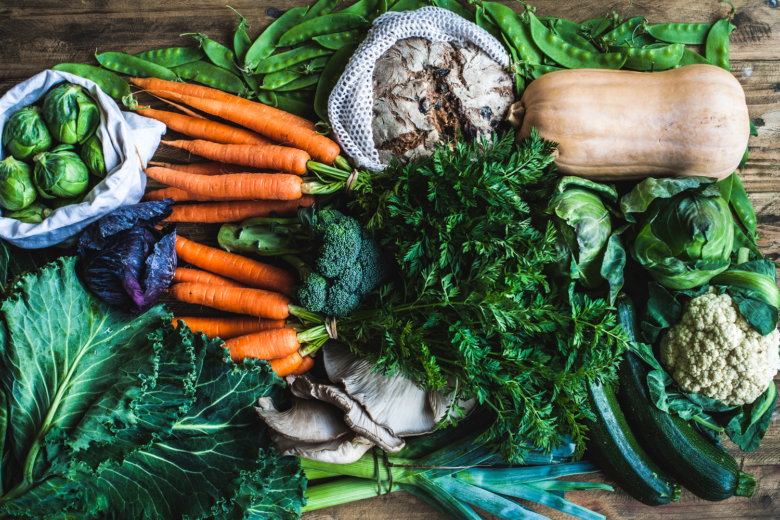
Cool-season vegetables often perform well in autumn.
Examples include:
- Broccoli
- Cauliflower
- Kale
- Cabbage
- Garlic
- Beets
- Turnips
Many spring-flowering bulbs, such as tulips and daffodils, are also planted during autumn in suitable climates.
Autumn Garden Maintenance
Essential autumn tasks include:
- Harvest remaining vegetables.
- Remove diseased plant material.
- Add compost to empty beds.
- Plant cover crops if appropriate.
- Collect fallen leaves for compost.
- Clean garden tools.
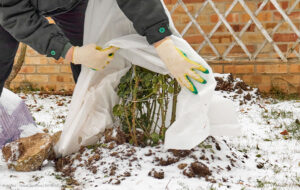
- Protect tender plants before frost.
Preparing your garden in autumn often reduces work the following spring.
Winter Gardening Guide
Although many gardens become quieter during winter, there are still valuable tasks to complete.
What to Plant in Winter
In mild climates, gardeners may grow:
- Spinach
- Garlic
- Onions
- Broad beans
- Winter lettuce
In colder regions, focus on planning and indoor growing rather than outdoor planting.
Winter Garden Maintenance
Winter is a great time for preparation.
Tasks include:
- Prune dormant trees where appropriate.
- Protect sensitive plants from frost.
- Repair raised beds.
- Sharpen garden tools.
- Organize seeds.
- Plan next year’s garden layout.
- Clean pots and containers.
Taking care of equipment now makes spring gardening much easier.
Monthly Gardening Checklist
January
- Plan your garden.
- Order seeds.
- Clean tools.
February
- Prepare compost.
- Start seeds indoors if suitable for your area.
- Inspect trees for winter damage.
March
- Prepare planting beds.
- Add compost.
- Plant early crops where conditions allow.
April
- Plant vegetables and flowers.
- Mulch beds.
- Begin regular watering as needed.
May
- Feed plants if appropriate.
- Watch for weeds.
- Stake taller plants.
June
- Harvest early vegetables.
- Water consistently.
- Monitor for pests.
July
- Continue harvesting.
- Deadhead flowering plants.
- Refresh mulch if needed.
August
- Sow autumn crops where suitable.
- Trim overgrown plants.
- Collect seeds from healthy plants.
September
- Plant cool-season vegetables.
- Divide perennials.
- Add compost.
October
- Plant spring bulbs.
- Rake leaves.
- Protect tender plants.
November
- Store garden tools.
- Clean containers.
- Apply mulch before winter where needed.
December
- Review the gardening year.
- Plan improvements.
- Maintain tools.
Adjust this schedule to match your local climate rather than relying strictly on calendar dates.
Essential Gardening Tools
Every gardener should have:
- Hand trowel
- Garden fork
- Pruning shears
- Watering can
- Garden hose or irrigation system
- Gardening gloves
- Rake
- Wheelbarrow
- Hand cultivator
- Spade
Quality tools can last for many years with proper care.
Tips for Healthy Soil All Year
Healthy soil supports healthy plants.
Improve your soil by:
- Adding compost regularly
- Using organic mulch
- Avoiding excessive tilling
- Rotating crops
- Growing cover crops where appropriate
- Testing soil periodically
Healthy soil retains moisture better and provides nutrients to plants.
Common Seasonal Gardening Mistakes
Many beginners make avoidable errors.
Common mistakes include:
- Planting too early or too late
- Overwatering
- Ignoring local climate conditions
- Forgetting to mulch
- Overcrowding plants
- Skipping regular maintenance
- Using too much fertilizer
Learning from these mistakes helps improve future gardening success.
Gardening Tips for Beginners
If you’re new to gardening:
- Start with a small garden.
- Choose plants suited to your climate.
- Label your plants.
- Water consistently.
- Pull weeds while they’re small.
- Observe your garden regularly.
- Keep a gardening journal.
Small, consistent efforts usually produce better results than occasional large projects.
Sustainable Gardening Practices
Environmentally friendly gardening can benefit both your plants and local wildlife.
Simple sustainable habits include:
- Collect rainwater where permitted.
- Compost kitchen and garden waste.
- Plant native species.
- Encourage pollinators with a variety of flowering plants.
- Reduce unnecessary pesticide use by promoting natural pest control.
- Reuse containers and garden materials when possible.
These practices can help create a healthier and more resilient garden over time.
Final Thoughts
Gardening is a year-round journey, and each season plays an important role in creating a healthy, productive outdoor space. By understanding what to plant, when to maintain your garden, and how to respond to seasonal changes, you can enjoy stronger plants, better harvests, and more colorful landscapes throughout the year.
The most successful gardens aren’t necessarily the largest or the most expensive—they’re the ones cared for consistently. Start with a manageable plan, pay attention to your local climate, and build good gardening habits one season at a time. With patience and regular care, your garden can continue to thrive year after year.
Frequently Asked Questions
1. Which season is best for starting a garden?
For many regions, spring is the most popular time to begin gardening because temperatures become milder and many vegetables, herbs, and flowers establish well. However, the best season depends on your local climate and the types of plants you want to grow.
2. How often should I water my garden?
Watering needs vary depending on the weather, soil, and plant type. It’s generally better to water deeply and less frequently than to provide shallow daily watering. Check soil moisture before watering rather than following a fixed schedule.
3. What vegetables can be grown throughout the year?
This depends on your climate. By choosing crops suited to each season—such as tomatoes in warm months and leafy greens during cooler months—you can often harvest fresh produce for much of the year.
4. Why is mulch important in every season?
Mulch helps conserve soil moisture, suppress weeds, regulate soil temperature, and gradually improve soil as organic mulches break down. Different types of mulch may be appropriate depending on your climate and garden goals.
5. How can beginners keep gardening simple?
Begin with a small garden, grow a few reliable plants, improve the soil with compost, water consistently, remove weeds regularly, and learn from each growing season instead of trying to do everything at once.
6. Should I fertilize plants every season?
Not always. Fertilizer needs vary by plant type, soil condition, and stage of growth. Over-fertilizing can be harmful, so follow product directions, consider a soil test, and apply nutrients only when they are likely to benefit your plants.