One of the biggest reasons home gardens struggle isn’t poor soil or lack of effort—it’s planting the wrong crops at the wrong time. Every plant has preferred growing conditions, and understanding when to plant is just as important as knowing how to water or fertilize.
Many beginners become discouraged after seeds fail to germinate or healthy seedlings stop growing. In many cases, the problem isn’t the gardener. It’s simply that the weather isn’t suitable for that particular plant.
Learning to work with the seasons instead of against them makes gardening easier and more rewarding. Plants that grow during their preferred season often develop stronger roots, experience fewer pest problems, and produce better harvests.
Whether you’re growing vegetables, herbs, or flowers, a seasonal planting plan helps you make better use of your garden space throughout the year.
Note: Planting dates vary depending on your local climate, growing zone, elevation, and average frost dates. The seasonal recommendations in this guide provide general guidance. Check local extension services or regional gardening resources for planting dates specific to your area.
Why Seasonal Planting Matters
Plants respond to several environmental factors, including:
- Air temperature
- Soil temperature
- Day length
- Rainfall
- Humidity
- Sunlight
When these conditions match a plant’s natural growing preferences, it is more likely to establish healthy roots, resist stress, and produce a better harvest.
Trying to grow cool-season vegetables during intense summer heat or warm-season crops during cold weather often leads to disappointing results, regardless of how much water or fertilizer is used.
Understanding seasonal growing patterns helps you work with nature instead of constantly trying to overcome it.
The SEASON GROW Method
Planning your garden becomes much easier when you follow a simple seasonal routine. The SEASON GROW Method helps organize gardening tasks throughout the year.
S — Study Your Local Climate
Learn your average last spring frost and first autumn frost. These dates help determine the safest planting times.
E — Evaluate Sunlight
Observe how much sunlight each area of your garden receives.
Most vegetables grow best with six to eight hours of direct sunlight each day, although some leafy greens and herbs tolerate partial shade.
A — Amend the Soil
Healthy soil supports healthy plants.
Before planting, improve soil with compost or other suitable organic matter if needed. Well-prepared soil generally drains better while holding enough moisture for healthy root development.
S — Select Seasonal Crops
Choose vegetables, herbs, and flowers that naturally grow well during the current season rather than forcing unsuitable plants to survive.
O — Observe Weather Conditions
Weather changes from year to year. Watch local forecasts and avoid planting immediately before expected frosts, heat waves, or prolonged heavy rain whenever possible.
N — Nourish Consistently
Plants benefit from consistent watering, appropriate feeding, and regular maintenance throughout their growing season.
G — Grow Successively
Instead of planting everything on one day, sow smaller batches of suitable crops every few weeks during their planting season. This approach often provides a longer harvest period.
R — Remove Problems Early
Inspect your garden regularly for weeds, pests, or signs of disease. Addressing small issues promptly usually prevents larger problems later.
O — Organize Crop Rotation
Avoid planting the same crop family in the same location year after year whenever practical. Rotating crops may help reduce pest and disease pressure while supporting soil health.
W — Work With the Season
The most productive gardens follow seasonal conditions rather than trying to fight them.
Before You Plant Anything
Successful gardens begin before the first seed is planted.
Spend time preparing your growing area by:
- Removing weeds.
- Clearing old plant material.
- Loosening compacted soil where appropriate.
- Adding compost if needed.
- Checking drainage after rainfall.
- Planning plant spacing before sowing seeds.
Good preparation helps reduce problems later in the growing season.
Spring: The Season of New Growth
For many gardeners, spring marks the beginning of the main growing season.
As soil begins to warm and daylight hours increase, many crops establish quickly.
However, early spring temperatures can still change rapidly, so pay attention to local frost forecasts.
Vegetables Commonly Planted in Spring
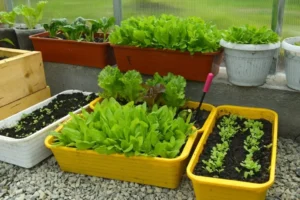
Many cool-season vegetables perform well during spring because they prefer moderate temperatures.
Popular choices include:
- Lettuce
- Spinach
- Carrots
- Radishes
- Peas
- Beets
- Swiss chard
- Green onions
These crops often grow best before the hottest part of summer arrives.
Herbs to Plant During Spring
Many herbs establish well once the risk of severe frost has passed.
Examples include:
- Parsley
- Cilantro
- Dill
- Chives
- Mint (best grown in containers to limit spreading)
- Thyme
Harvesting herbs regularly encourages many varieties to continue producing fresh growth.
Spring Flowers That Support the Garden
Flowering plants can attract pollinators and beneficial insects that help support a healthy garden.
Suitable spring flowers may include:
- Calendula
- Sweet alyssum
- Nasturtiums
- Marigolds (after temperatures warm)
- Bachelor buttons
Different regions support different flower varieties, so choose species that grow well in your climate.
Spring Gardening Priorities
Spring is an ideal time to focus on building a healthy foundation for the growing season.
Important tasks include:
- Inspect irrigation systems.
- Refresh mulch after soil has warmed.
- Install plant supports early.
- Remove weeds before they spread.
- Begin monitoring for pests.
Completing these jobs early often makes summer maintenance much easier.
Common Spring Gardening Mistakes
Planting Too Early
Warm afternoons can be misleading. Cold nights may still damage young plants.
Working Wet Soil
Walking on or digging very wet soil may reduce soil structure and make root growth more difficult.
Overwatering Seedlings
Young plants need consistent moisture but should not remain constantly waterlogged.
Ignoring Plant Spacing
Crowded plants compete for light, nutrients, and airflow, increasing the likelihood of disease.
A Practical Gardening Lesson
Many experienced gardeners eventually realize that timing is just as valuable as fertilizer.
A packet of high-quality seeds planted at the wrong time often performs worse than average seeds planted during ideal conditions.
Learning your local growing seasons may improve your harvest more than purchasing expensive gardening products.
Summer: Planting for Warm Weather Growth
Summer brings longer days, warmer soil, and rapid plant growth. It is the ideal season for many vegetables that thrive in heat and full sun. At the same time, higher temperatures can place extra stress on plants, making consistent watering and soil care especially important.
Rather than planting every available crop, focus on varieties that naturally perform well in warm conditions.
Vegetables Commonly Planted in Summer
Many warm-season vegetables produce their best harvests during summer.
Examples include:
- Tomatoes
- Peppers
- Cucumbers
- Green beans
- Squash
- Zucchini
- Eggplant
- Okra (where climate is suitable)
Always check the recommended planting time for your region, as extremely hot climates may require earlier planting to avoid intense midsummer heat.
Herbs That Grow Well During Summer
Many popular herbs enjoy warm weather and regular sunlight.
Common choices include:
- Basil
- Oregano
- Rosemary
- Sage
- Lemon balm
- Summer savory
Harvest herbs regularly without removing too much growth at one time. Frequent harvesting often encourages fuller plants.
Summer Garden Care
Summer maintenance often determines how productive your garden remains through the season.
Focus on:
- Watering deeply rather than lightly every day.
- Applying mulch to reduce moisture loss.
- Removing weeds before they spread.
- Inspecting plants for signs of pests or disease.
- Harvesting vegetables regularly to encourage continued production.
Many fruiting vegetables produce more consistently when harvested before they become overripe.
Protecting Plants During Hot Weather
Even heat-loving vegetables can experience stress during prolonged periods of very high temperatures.
Watch for signs such as:
- Wilting during the coolest part of the day
- Yellowing leaves
- Blossom drop
- Slow growth
- Dry soil several inches below the surface
If necessary, provide temporary shade during extreme heat while continuing to water according to your plants’ needs.
Avoid watering leaves late in the evening if prolonged moisture encourages disease in your area. Watering near the base of the plant is often the most efficient approach.
Fall: A Second Opportunity for Productive Gardening
Many new gardeners think the growing season ends when summer finishes.
In reality, fall offers another excellent opportunity to grow a wide variety of crops, particularly those that prefer cooler temperatures.
As summer heat begins to fade, many leafy vegetables become easier to grow.
Vegetables Often Planted in Fall
Cooler weather supports crops such as:
- Spinach
- Lettuce
- Kale
- Arugula
- Radishes
- Turnips
- Beets
- Carrots
- Mustard greens
In regions with mild autumn weather, these vegetables may continue producing well into late fall.
Herbs Suitable for Fall
Depending on your climate, herbs such as:
- Parsley
- Cilantro
- Chives
- Dill
may continue producing fresh growth as temperatures become cooler.
Preparing the Garden for Cooler Weather
As one crop finishes, prepare the space for the next.
Helpful tasks include:
- Removing old plant material.
- Adding compost where needed.
- Checking plant supports.
- Refreshing mulch if necessary.
- Monitoring soil moisture as rainfall patterns change.
Healthy soil supports productive planting throughout the year.
Winter Gardening
Winter gardening depends greatly on where you live.
In colder climates, outdoor planting may pause until spring.
However, gardeners in mild climates often continue growing cool-season vegetables throughout winter.
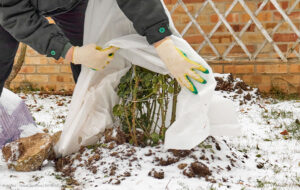
Some gardeners also extend the season by using protective structures such as:
- Cold frames
- Row covers
- Small greenhouses
These tools help reduce frost exposure while allowing plants to continue growing under suitable conditions.
Crops That May Grow During Mild Winters
Depending on local conditions:
- Garlic
- Onions
- Spinach
- Kale
- Swiss chard
- Certain lettuces
may continue growing through winter.
Always choose varieties recommended for your climate.
Companion Planting
Some plants grow well together because they use space differently or attract beneficial insects.
Examples commonly recommended by gardeners include:
- Basil near tomatoes
- Marigolds near vegetable beds
- Nasturtiums around garden borders
- Flowers that attract pollinators
While companion planting is widely practiced, results vary depending on local growing conditions and garden management. It works best as part of an overall healthy gardening routine rather than as a guaranteed solution to pests.
Why Crop Rotation Matters
Growing the same vegetable in the same location every year may increase the risk of certain pests and diseases while placing repeated demands on the same soil nutrients.
Crop rotation simply means changing where different plant families grow each season whenever practical.
For example:
- Move tomatoes to a different bed the following year.
- Plant leafy greens where beans previously grew.
- Rotate root vegetables into another section of the garden.
Even small home gardens can benefit from basic crop rotation planning.
Caring for Soil Throughout the Year
Healthy plants begin with healthy soil.
Instead of adding products only when problems appear, improve soil gradually throughout the seasons.
Helpful practices include:
- Adding finished compost.
- Leaving healthy plant roots to decompose after harvest where appropriate.
- Avoiding unnecessary soil compaction.
- Using mulch to reduce erosion.
- Growing cover crops during unused periods if suitable for your region.
Healthy soil supports stronger root systems and more consistent plant growth.
Watering Smarter Throughout the Seasons
Water needs change during the year.
Instead of following a fixed schedule, pay attention to:
- Recent rainfall
- Soil moisture
- Temperature
- Wind
- Plant growth stage
A simple finger test several inches below the soil surface often provides more useful information than watering by the calendar.
Extending Your Harvest
Many gardeners harvest only once from each planting.
However, several techniques may help increase production.
Consider:
- Planting fast-growing crops in succession.
- Harvesting leafy greens regularly instead of removing the entire plant when appropriate.
- Removing mature vegetables promptly.
- Replanting empty spaces after crops finish.
Small adjustments like these can increase the productivity of a limited garden area.
A Different Way to Think About Productivity
Many beginners measure success by how many plants they grow.
Experienced gardeners often measure success differently.
A productive garden isn’t necessarily the one with the most plants.
It’s the one where:
- Plants remain healthy.
- Space is used efficiently.
- Soil improves over time.
- Harvests continue throughout the growing season.
- Maintenance stays manageable.
Growing fewer healthy plants often produces better results than overcrowding the garden.
A Simple Year-Round Gardening Calendar
One of the easiest ways to stay organized is to think of gardening as a year-round activity rather than something that begins only in spring. Each season offers opportunities to prepare, plant, maintain, or improve your garden.
| Season | Main Focus | Typical Crops* |
|---|---|---|
| Spring | Prepare soil and plant cool-season crops | Lettuce, spinach, peas, carrots, radishes, beets |
| Summer | Grow warm-season vegetables and maintain plants | Tomatoes, peppers, cucumbers, beans, squash, basil |
| Fall | Plant another round of cool-season crops | Kale, lettuce, spinach, carrots, turnips, arugula |
| Winter | Protect soil, plan next season, or grow cold-tolerant crops in mild climates | Garlic, onions, spinach, kale (depending on climate) |
*Planting times vary by location. Always adjust your schedule based on your area’s climate and average frost dates.
Seasonal Garden Maintenance Checklist
A productive garden depends on regular care throughout the year.
Spring
- Remove winter debris.
- Add compost if needed.
- Check irrigation equipment.
- Prepare planting beds.
- Apply mulch after the soil begins to warm.
- Watch for early weeds.
Summer
- Water deeply when needed.
- Harvest vegetables regularly.
- Support climbing plants.
- Remove weeds before they produce seeds.
- Monitor for pests and plant diseases.
Fall
- Remove plants that have finished producing.
- Add compost or organic matter.
- Plant cool-season vegetables where appropriate.
- Clean and store unused garden tools.
- Collect healthy leaves for compost or mulch.
Winter
- Clean and sharpen tools.
- Review notes from the past growing season.
- Order seeds early if needed.
- Protect sensitive plants from frost where appropriate.
- Plan crop rotation for the coming year.
Common Seasonal Gardening Mistakes
Planting Too Early
Warm weather for a few days does not always mean the growing season has begun. Planting before the risk of frost has passed can damage or kill tender plants.
Choosing Plants Unsuited to the Season
Every crop has preferred growing conditions. Trying to grow cool-season vegetables during periods of intense heat—or warm-season vegetables during cold weather—often leads to disappointing results.
Overcrowding the Garden
It can be tempting to plant as much as possible, especially in small spaces. However, overcrowded plants compete for sunlight, water, and nutrients. They also reduce airflow, which may increase the risk of plant diseases.
Watering on a Fixed Schedule
Plants do not always need the same amount of water every day. Rainfall, temperature, soil type, and plant size all affect watering needs. Checking the soil before watering is usually more effective than following the calendar.
Neglecting Soil Health
Healthy soil supports healthy plants. Adding compost, avoiding unnecessary compaction, and protecting the soil with mulch are simple practices that can improve long-term productivity.
Practical Tips for First-Time Gardeners
If you’re just starting a home garden, focus on building good habits instead of trying to grow everything at once.
Helpful practices include:
- Begin with a small garden that is easy to maintain.
- Grow crops your household enjoys eating.
- Choose varieties suited to your local climate.
- Label newly planted seeds and seedlings.
- Keep a notebook or digital journal of planting dates and harvests.
- Inspect plants regularly for early signs of pests or disease.
- Harvest vegetables promptly to encourage continued production where appropriate.
Gardening is a skill that develops through observation and experience. Even experienced gardeners continue learning from each growing season.
Frequently Asked Questions
How do I know the best planting time for my area?
Your local climate, average last spring frost, and first autumn frost help determine planting dates. Local agricultural extension services, gardening organizations, or regional planting calendars can provide guidance specific to your location.
Can I grow vegetables all year?
This depends on your climate. Mild regions may support year-round gardening, while colder areas often have a shorter outdoor growing season. Season-extending tools such as cold frames or greenhouses can help in some locations.
What vegetables are easiest for beginners?
Many beginners have success with crops such as lettuce, radishes, beans, spinach, carrots, zucchini, and herbs like basil or parsley because they are generally straightforward to grow when planted during the appropriate season.
Should I fertilize every season?
Plants benefit from healthy soil, but fertilization needs vary depending on the crop and existing soil conditions. Following soil test results or product instructions can help avoid over-fertilizing.
Why are my plants growing leaves but not producing vegetables?
Several factors may affect production, including insufficient sunlight, unsuitable temperatures, watering practices, nutrient imbalances, or the natural growth stage of the plant. Identifying the specific cause is more effective than applying additional fertilizer without a clear reason.
A Long-Term Approach to a Productive Garden
Many people think a productive garden is measured only by the size of the harvest. In reality, long-term success comes from building healthy soil, choosing plants that suit the season, and learning from each growing cycle.
Every garden is unique. Differences in climate, rainfall, soil type, and sunlight mean that no single planting schedule works everywhere. Observing how your own garden responds throughout the year will help you make better decisions season after season.
Keeping simple notes about planting dates, weather conditions, and harvest results can become one of your most valuable gardening tools. Over time, those observations will help you refine your planting schedule and improve future harvests.
Final Thoughts
A productive home garden begins with understanding the seasons. By choosing crops that naturally thrive during the current weather, preparing your soil carefully, and maintaining your garden consistently, you create conditions that support healthy plant growth throughout the year.
Rather than trying to grow every vegetable at once, focus on planting crops that match your local climate and the current season. This approach often leads to stronger plants, fewer growing problems, and a more enjoyable gardening experience.
Gardening is an ongoing learning process. Every season offers new opportunities to improve your skills, understand your growing conditions, and enjoy fresh produce from your own backyard, patio, or container garden. With patience, observation, and consistent care, your garden can become more productive year after year.