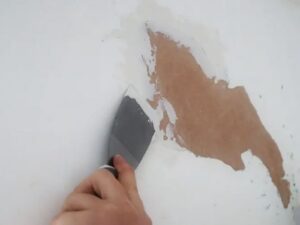
Small problems around the house have a habit of becoming more noticeable over time.
A floorboard starts to squeak when you walk across it. A piece of trim pulls slightly away from the wall. A cabinet handle becomes loose. A door begins rubbing against its frame. None of these problems necessarily seems serious at first, so it is easy to ignore them.
The problem is that minor home issues can become harder to deal with when they are left for months or years.
The good news is that many small household repairs are manageable with basic tools, careful preparation, and a little patience. You do not need a professional workshop for every maintenance task. What matters most is understanding what is loose, why it has moved, and which repair method is suitable for the material involved.
This guide explains practical ways to deal with common minor home problems, including loose floorboards, trim, handles, hinges, drawers, and other small defects. It also explains when a problem should not be treated as a simple DIY repair.
Start by Finding the Cause
Before reaching for a screwdriver or hammer, inspect the problem.
A loose floorboard may be caused by movement between the board and its support. Loose trim may have been pulled away by changes in the material or failed adhesive. A door handle may simply have a loose screw, but it could also have worn internal hardware.
The visible movement is not always the actual problem.
Spend a few minutes checking the surrounding area. Look for gaps, cracks, water damage, damaged fasteners, or signs that the problem has been getting worse.
A good repair begins with understanding what you are fixing.
How to Fix a Loose Floorboard
Loose floorboards can create movement, squeaking, or a slight bounce when someone walks across them.
The appropriate repair depends on the type of floor, the way the boards are installed, and what is underneath them.
Before doing anything, identify whether you are dealing with timber floorboards, engineered flooring, laminate, or another flooring system.
Do not automatically drill or nail through a floor simply because a board feels loose.
There may be pipes, cables, heating systems, or other services beneath the surface.
Find the Loose Section
Walk slowly across the floor.
Listen for squeaks and feel for movement.
If possible, have another person walk across the area while you observe from a safe position.
Once you identify the problem area, inspect it carefully.
Look for visible gaps, damaged boards, loose fasteners, or movement between adjoining pieces.
Tightening an Accessible Floorboard
If the floor construction and location make it appropriate to secure the board mechanically, use suitable flooring screws or fasteners designed for the material.
Before drilling, make sure you understand what is underneath the board.
A screw should be long enough to provide suitable holding power without creating unnecessary risk to anything below the floor.
Do not simply choose the longest screw available.
If you are unsure about the construction or hidden services, it is safer to get appropriate advice rather than guess.
What About Squeaky Floorboards?
A squeak can occur when parts of the floor move against one another.
However, not every squeak needs to be fixed immediately.
If the floor feels stable and there are no signs of damage, the issue may be primarily a nuisance.
If the floor has noticeable movement, soft areas, moisture damage, or increasing gaps, investigate the cause rather than treating the sound alone.
A recurring squeak can sometimes indicate movement that deserves closer attention.
Repairing Loose Skirting Boards
Skirting boards, baseboards, and similar trim can become loose over time.
You may notice a small gap between the trim and wall, movement when you touch it, or an area where previous adhesive has failed.
The repair method depends on how the trim was originally installed.


Check the Wall and Trim
Before securing loose trim, inspect both surfaces.
If the wall has crumbling plaster, dampness, or significant damage, simply pushing the trim back into position may not provide a lasting result.
Remove loose debris carefully.
Clean surfaces as appropriate.
If old adhesive is preventing the trim from sitting correctly, it may need to be removed before a new suitable adhesive is applied.
Follow the adhesive manufacturer’s instructions for surface preparation and curing.
When Nails or Screws May Be Appropriate
Some trim is mechanically fixed rather than glued.
If the existing fastening method is sound and only a fastener has loosened, replacing or securing it with an appropriate fixing may be enough.
Take care around electrical cables and pipes.
Never assume that because a fixing was previously installed in a particular place, it is automatically safe to insert another one there.
Fixing Loose Door Handles
A loose door handle is often one of the easiest household repairs.
Start by examining the handle carefully.
Look for visible screws.
Some handles also have small concealed fixing points or a retaining screw on the handle itself.
Use the correct screwdriver and tighten the fasteners gradually.
Avoid excessive force.
Overtightening can damage threads, fittings, or the handle.


If Tightening Does Not Work
If the handle becomes loose again soon after tightening, inspect the surrounding hardware.
The mounting screws may not be gripping properly.
The internal mechanism may be worn.
The door material may have been damaged around the fixing.
At that point, replacing a worn component may be more effective than repeatedly tightening the same screws.
Repairing a Loose Cabinet Handle
Cabinet handles experience repeated pulling, so their screws can loosen gradually.
Open the cabinet and locate the fixing points.
Hold the handle in position while tightening the screws from the inside.
If the screw spins without tightening, the threads or fixing point may be damaged.
Do not simply keep turning it.
For wooden cabinets, a damaged fixing hole may sometimes require an appropriate repair before the handle can be securely reinstalled.
Fixing Loose Door Hinges
A loose hinge can cause a door to sag, rub against the frame, or become difficult to close.
Check the hinge screws first.
Tighten them carefully.
If a screw will not grip because the hole has become enlarged or damaged, replacing it with a larger screw is not always the best solution.
The correct repair depends on the door and frame construction.
For wooden components, a damaged screw hole may sometimes be repaired using a suitable wood-repair method before reinstalling the hinge.


Check the Door Alignment
Do not assume that every sticking door needs sanding.
First check the hinges, frame, and surrounding gaps.
A loose hinge can change the door’s position.
Seasonal changes in humidity can also affect some wooden doors and frames.
If the door is rubbing badly, the problem keeps returning, or the frame appears distorted, investigate the cause before removing material.
Repairing Loose Trim Around Doors and Windows
Decorative trim can become separated from the wall around door and window openings.
Before repairing it, check for moisture.
Water damage can cause wood, MDF, plaster, or other materials to swell, deteriorate, or lose adhesion.
If moisture is present, fix the underlying source before completing cosmetic repairs.
Once the area is dry and structurally sound, loose trim can often be cleaned and reattached using an appropriate method for the material.
Fixing Small Wall Holes
Small holes from picture hooks, screws, or minor fittings are common.
They are usually straightforward to repair when the surrounding wall is sound.
Clean away loose material.
Apply a suitable filler according to the product instructions.
Allow it to dry fully.
Sand carefully until the surface is reasonably smooth.
Then apply suitable paint if needed.
Do not apply large amounts of filler in one thick layer simply to finish faster.
Some products perform better when applied in controlled layers.
Repairing Small Cracks
Not every crack means the house has a serious structural problem.
Fine surface cracks can occur for several reasons, including normal movement, drying, or changes in materials.
However, repeatedly returning cracks, large cracks, cracks accompanied by significant movement, or cracks around structural components deserve more careful assessment.
Do not simply fill a concerning crack repeatedly without considering why it is appearing.


Fixing a Loose Shelf
A shelf that moves when touched should not be ignored, particularly if it carries books, dishes, tools, or other heavy objects.
First inspect the brackets and fixings.
Then check the wall material.
A bracket may be perfectly strong while the wall fixing is unsuitable.
Remove some of the load before working on the shelf.
Choose fixings appropriate for the wall and expected weight.
After securing it, test the shelf carefully before returning everything to it.
Do not immediately load it with the maximum weight you normally store there.
Repairing a Wobbly Table or Chair
A wobbly piece of furniture can sometimes be fixed with a simple adjustment.
Place it on a reasonably level surface.
Determine which leg or joint is moving.
Check whether a screw, bolt, or joint has loosened.
Tighten suitable fasteners without overdoing them.
If a wooden joint has separated, it may require a suitable adhesive repair rather than simply tightening a screw.
For a chair, take the problem seriously because a failed joint can cause someone to fall.


Fixing a Sticking Drawer
A drawer that suddenly becomes difficult to open may have a simple cause.
Check whether something inside is blocking it.
Then inspect the drawer runners.
Dust, debris, loose screws, or damaged runners can interfere with movement.
Clean accessible components.
Tighten suitable fasteners.
Do not immediately sand the drawer or apply excessive lubricant.
If the problem is caused by misalignment, identify that issue first.
Fixing a Squeaky Door
A squeaky hinge does not always require complicated repair.
A suitable lubricant may reduce friction at the hinge, depending on the manufacturer’s recommendations and the type of hinge.
Apply a small amount rather than flooding the area.
Open and close the door several times.
Wipe away excess material.
If the squeak continues, inspect the hinge for looseness, damage, or alignment problems.


Fixing Loose Floor Trim
Floor trim can sometimes move because the fixing has failed or the material has expanded and contracted.
Before securing it, inspect the edge carefully.
Make sure the trim is not hiding moisture damage.
Avoid forcing a warped piece into place.
If the material is severely damaged, replacement may be more practical than repeated repairs.
For small gaps, use a suitable product only after confirming that the gap is cosmetic rather than evidence of movement or moisture.
Repairing Loose Handles and Knobs
Handles on cupboards, wardrobes, drawers, and appliances are used repeatedly.
That repeated movement eventually loosens hardware.
A simple tightening can often solve the problem.
Use the correct screwdriver or wrench.
Hold the handle securely while tightening.
If the screw is damaged, replace it with a compatible one rather than forcing it.
If the mounting material itself is damaged, repair that area before reinstalling the hardware.
Fixing Minor Trim Gaps
Small gaps between trim and a wall can sometimes be caused by normal movement or imperfect installation.
For small cosmetic gaps on suitable interior surfaces, an appropriate decorator’s caulk or similar product may help create a cleaner appearance.
The important word is small.
Large or rapidly changing gaps should not simply be filled.
If the gap is caused by movement, moisture, or a structural problem, cosmetic material will not solve the underlying issue.
Fixing Loose Towel Rails and Small Wall-Mounted Items
Small wall-mounted items can loosen when their fixings gradually lose grip.
Remove the item before attempting to repair it.
Inspect the wall and fixing.
If the original fixing is damaged, replace it with one designed for the wall type.
Do not simply put another screw into a damaged hole and hope it holds.
For heavier items, choose a fixing based on the expected load.
Minor Plumbing Problems Need Caution
Some accessible plumbing maintenance may be manageable for experienced DIYers, but water problems deserve caution.
A loose connection beneath a sink, for example, can sometimes be addressed by carefully checking the fitting and making a suitable adjustment.
Before working on plumbing, understand how to isolate the water supply.
Keep a container and towels nearby.
Make small adjustments and inspect for leaks afterward.
If water is escaping from an inaccessible location, the leak is significant, or you cannot identify the source, professional help may be appropriate.


Do Not Treat Electrical Repairs Like Ordinary DIY
Some minor household issues are not suitable for DIY experimentation.
Electrical wiring, electrical panels, fixed circuits, and other electrical systems can present serious risks.
If the problem involves electrical installation work rather than simple user maintenance, use an appropriately qualified professional and follow local requirements.
Do not remove covers or expose wiring simply to investigate a problem if you are not qualified to do so.
Safety matters more than saving a small amount of money.
A Simple Process for Minor Repairs
Using the same process each time can make DIY work more controlled.
Step 1: Inspect
Find out exactly what is loose, damaged, cracked, or moving.
Step 2: Identify the Material
Determine whether you are working with wood, plasterboard, masonry, metal, plastic, tile, or another material.
Step 3: Check for Hidden Risks
Consider pipes, cables, moisture, structural movement, and other hazards.
Step 4: Select the Correct Tool
Do not improvise with unsuitable equipment.
Step 5: Remove the Cause
If old adhesive, damaged material, or loose fasteners are causing the problem, address them before applying a cosmetic fix.
Step 6: Complete the Repair
Follow the instructions for the chosen material or product.
Step 7: Test It
Move, open, close, or lightly load the repaired item as appropriate.
Step 8: Monitor It
If the same problem returns, investigate instead of repeatedly applying the same temporary fix.


Tools Worth Keeping for Small Repairs
A basic household toolbox can handle many minor maintenance jobs.
Useful items include:
- Screwdriver set
- Adjustable wrench
- Pliers
- Tape measure
- Spirit level
- Claw hammer
- Utility knife
- Hex keys
- Suitable drill and bits
- Wall fixings
- Wood and wall filler
- Sandpaper
- Safety glasses
- Work gloves
You do not need to purchase everything at once.
Buy tools as your actual maintenance needs develop.
Good-quality basic tools are generally more useful than a large collection of equipment you rarely understand or use.
Mistakes to Avoid
Small repairs become unnecessarily difficult when homeowners rush.
Avoid using the wrong tool.
Avoid excessive force.
Do not drill into walls without considering hidden pipes and cables.
Do not paint over unexplained moisture damage.
Do not use unsuitable wall fixings for heavy items.
Do not ignore recurring cracks or movement.
Do not assume a temporary repair is permanent.
Do not continue working when a task becomes unsafe.
And do not be afraid to ask for professional assistance when the repair is beyond your experience.
When a Minor Problem Needs Professional Attention
A problem may look small while having a more serious cause.
Consider professional assessment when you notice:
- Significant or worsening structural cracks
- Major floor movement
- Persistent water damage
- Hidden or inaccessible leaks
- Serious electrical faults
- Gas-related problems
- Significant roof damage
- Dangerous work at height
- Materials that may contain hazardous substances
DIY is useful when the task is within your ability and can be completed safely.
Knowing when not to proceed is equally important.
Final Thoughts
Loose floorboards, separated trim, wobbly furniture, squeaky hinges, damaged wall surfaces, and loose handles are ordinary household problems.
They do not always require an expensive renovation.
The most effective approach is usually simple: inspect the problem, understand the cause, choose the right tool and material, make the repair carefully, and test the result afterward.
Do not rush because the problem looks small.
A loose floorboard deserves a different approach from a loose cabinet handle. A recurring wall crack should not automatically be treated like a nail hole. A damp patch should not simply be painted over.
Once you develop the habit of looking for the reason behind a problem, basic home maintenance becomes much easier.
You also become better at recognising which jobs are suitable for DIY and which ones should be left to a qualified professional.
That balance is what makes home repair both practical and safe.
Frequently Asked Questions
Can I fix a loose floorboard myself?
Some loose floorboards can be secured with suitable fasteners, but you first need to understand the floor construction and what is beneath it. Pipes, cables, heating systems, or other hidden services may be present.
Why do floorboards become loose or squeaky?
Movement can occur because of changes in materials, loose fasteners, gaps, or movement between the board and its supports. The correct solution depends on the type and construction of the floor.
How do I fix loose skirting boards?
Inspect the wall and trim first. Remove loose material or failed adhesive where appropriate, then use a suitable fixing or adhesive for the materials involved. Check for moisture before making cosmetic repairs.
Can I fix a loose door handle with a screwdriver?
Often, yes. Many loose handles simply need their mounting screws tightened. If the handle repeatedly becomes loose, inspect the mounting hardware and surrounding material for damage.
How do I repair a small hole in a wall?
Clean away loose material, apply a suitable filler, allow it to dry, sand carefully, and touch up the surface with appropriate paint if necessary.
Should I sand a door that is sticking?
Not immediately. First inspect the hinges, frame, and door alignment. A loose hinge or other alignment issue may be causing the problem, and sanding could remove material unnecessarily.
How can I fix a wobbly chair?
Check the legs, joints, screws, and bolts. Tighten suitable fasteners and inspect the joints. Because a chair can fail under someone’s weight, a damaged structural joint should be repaired properly rather than temporarily concealed.
Why does my trim keep coming loose?
Possible causes include failed adhesive, unsuitable fixings, movement in the material, poor surface preparation, or moisture. If the same section repeatedly separates, investigate the cause rather than repeatedly reattaching it.
Can I repair a small wall crack myself?
Some minor surface cracks can be filled and redecorated. However, cracks that are large, worsening, repeatedly returning, or accompanied by significant movement should be assessed rather than repeatedly covered.
What tools are useful for minor home repairs?
A screwdriver set, adjustable wrench, pliers, hammer, tape measure, spirit level, utility knife, drill with suitable bits, and basic safety equipment are useful for many household maintenance tasks.
When should I call a professional?
Use professional help when a problem involves major electrical or gas work, significant structural concerns, serious leaks, dangerous heights, hazardous materials, or any task you cannot safely complete with your current knowledge and equipment.