Introduction
DIY projects can be rewarding. Fixing a loose cabinet handle, building a shelf, repairing small damage, or improving a room can give homeowners a sense of accomplishment while saving money.
However, many DIY problems do not happen because the project itself is too difficult. They happen because tools are used incorrectly.
A wrong screwdriver, too much force, poor measurements, or skipping safety steps can turn a simple repair into a frustrating and expensive mistake.
Understanding common tool mistakes helps beginners work more confidently and protect both their projects and their equipment.
Good DIY skills are not only about knowing how to complete a task. They are also about knowing how to avoid unnecessary damage.
Using the Wrong Tool for the Job
The Mistake
One of the most common DIY errors is using whatever tool is available instead of the correct tool.
Examples include:
- Using a knife instead of a screwdriver.
- Using pliers instead of a wrench.
- Using a hammer to force parts that should be adjusted.
- Using a screwdriver as a pry tool.
Why It Causes Problems
Tools are designed for specific purposes. When used incorrectly, they can damage:
- Materials.
- Hardware.
- The tool itself.
- The person using it.
For example, forcing a screw with the wrong screwdriver can strip the screw head and make removal much harder.
How to Prevent It
Before starting a project:
- Identify the task.
- Choose the correct tool.
- Read instructions if available.
- Avoid forcing tools into unfamiliar situations.
Using the right tool often makes the job easier and faster.
Choosing the Wrong Size Screwdriver
The Mistake
Many beginners use a screwdriver that looks close enough instead of selecting the correct size.
Why It Causes Problems
A poor fit can:
- Damage screw heads.
- Cause slipping.
- Scratch nearby surfaces.
- Make screws impossible to remove.
How to Prevent It
Match the screwdriver to the screw.
Good habits include:
- Using the correct Phillips size.
- Choosing a flat-head screwdriver that fits the slot properly.
- Applying steady pressure while turning.
A properly fitted screwdriver provides better control.
Applying Too Much Force
The Mistake
Many beginners believe more pressure means better results.
However, excessive force can damage materials.
Common Examples
- Tightening screws too much.
- Hammering too aggressively.
- Pulling stuck parts without checking the cause.
- Over-tightening plumbing connections.
Why It Causes Problems
Too much force can cause:
- Cracked materials.
- Broken hardware.
- Stripped screws.
- Damaged surfaces.
How to Prevent It
Use controlled movements.
A better approach:
- Start gently.
- Increase pressure gradually.
- Stop when resistance feels unusual.
- Check whether another solution is needed.
Skill usually matters more than strength.
Skipping Measurements Before Cutting
The Mistake
Many DIY projects fail because materials are cut too early.
Why It Causes Problems
Incorrect measurements can lead to:
- Wasted materials.
- Poor-fitting parts.
- Uneven installations.
- Additional expenses.
How to Prevent It
Follow the simple rule:
Measure twice, cut once.
Before cutting:
- Confirm dimensions.
- Mark the cutting line clearly.
- Check measurements again.
Careful preparation prevents many avoidable mistakes.
Using Damaged Tools
The Mistake
Some homeowners continue using tools that are worn, cracked, or damaged.
Why It Causes Problems
Damaged tools can:
- Slip during use.
- Break unexpectedly.
- Create safety risks.
- Produce poor results.
Examples include:
- Cracked hammer handles.
- Rusted cutting blades.
- Loose screwdriver tips.
- Damaged electrical tool cords.
How to Prevent It
Inspect tools before each project.
Replace or repair tools when you notice:
- Damage.
- Excessive wear.
- Loose parts.
- Poor performance.
Good tools make safer projects.
Ignoring Safety Equipment
The Mistake
Some DIYers skip safety gear because the project seems small.
Why It Causes Problems
Even simple tasks can create risks from:
- Flying debris.
- Sharp edges.
- Dust.
- Loud equipment.
- Chemical products.
How to Prevent It
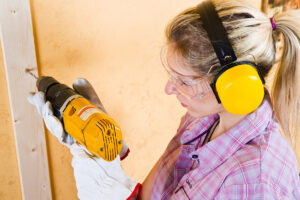
Use appropriate protection, including:
- Safety glasses.
- Work gloves.
- Hearing protection when needed.
- Dust protection for messy tasks.
Safety habits should become part of every project.
Failing to Secure Materials Properly
The Mistake
Trying to hold materials by hand while cutting, drilling, or working on them is a common beginner error.
Why It Causes Problems
Unsecured materials can:
- Move unexpectedly.
- Create uneven cuts.
- Damage surfaces.
- Increase injury risk.
How to Prevent It
Use:
- Clamps.
- Stable work surfaces.
- Proper supports.
Keeping materials secure improves accuracy and safety.
Using Power Tools Without Understanding Them
The Mistake
Power tools can save time, but they require proper handling.
Common mistakes include:
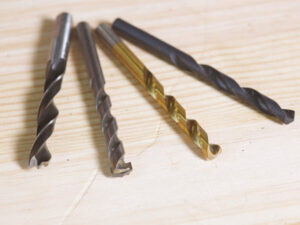
- Using the wrong drill bit.
- Applying incorrect pressure.
- Ignoring settings.
- Starting without reading instructions.
Why It Causes Problems
Incorrect use can damage:
- Materials.
- The tool.
- The project result.
How to Prevent It
Before using a power tool:
- Read the manual.
- Understand basic controls.
- Practice on scrap material.
- Use the correct attachments.
Confidence should come from knowledge, not rushing.
Drilling Without Checking What Is Behind the Surface
The Mistake
Many people drill into walls without considering what may be hidden.
Why It Causes Problems
Walls may contain:
- Electrical wiring.
- Plumbing pipes.
- Structural components.
Accidental damage can create expensive repairs.
How to Prevent It
Before drilling:
- Use appropriate detection tools when needed.
- Understand wall construction.
- Avoid guessing.
A few minutes of preparation can prevent serious problems.
Forgetting to Protect Finished Surfaces
The Mistake
DIY projects often create scratches, stains, and damage because surfaces are not protected.
Examples
- Cutting directly on floors.
- Painting without covering furniture.
- Placing tools on delicate surfaces.
How to Prevent It
Use:
- Drop cloths.
- Protective sheets.
- Scrap wood.
- Work mats.
Protecting your workspace saves cleanup time.
Using Poor Quality Fasteners
The Mistake
Some DIYers focus only on tools and ignore screws, nails, and other hardware.
Why It Causes Problems
Low-quality or incorrect fasteners may:
- Break.
- Rust.
- Fail to hold materials securely.
How to Prevent It
Choose fasteners based on:
- Material type.
- Weight requirements.
- Indoor or outdoor use.
The right hardware is just as important as the right tool.
Rushing Through Projects
The Mistake
Many mistakes happen because people want to finish quickly.
Why It Causes Problems
Rushing can lead to:
- Missed measurements.
- Poor alignment.
- Damaged materials.
- Unsafe decisions.
How to Prevent It
Break projects into smaller steps.
Take time to:
- Prepare.
- Check progress.
- Correct mistakes early.
A slower approach often produces better results.
Not Learning Before Starting
The Mistake
Beginning a project without understanding the process can create unnecessary problems.
Why It Causes Problems
Without preparation, homeowners may:
- Use tools incorrectly.
- Choose unsuitable materials.
- Miss important steps.
How to Prevent It
Before starting:
- Research the project.
- Understand the tools needed.
- Review safety requirements.
- Gather materials first.
Preparation builds confidence.
Poor Tool Storage Habits
The Mistake
Leaving tools scattered after projects creates problems.
Why It Causes Problems
Poor storage can lead to:
- Lost tools.
- Rust.
- Damage.
- Longer preparation time.
How to Prevent It
Create simple storage habits:
- Clean tools after use.
- Return tools to their place.
- Keep frequently used items accessible.
- Store tools in dry areas.
Organized tools make future projects easier.
Common DIY Habits That Improve Results
Take Time to Prepare
Successful projects usually begin before the first tool is used.
Preparation includes:
- Planning steps.
- Gathering materials.
- Checking measurements.
- Understanding the task.
Practice on Scrap Materials
Before working on a visible surface, test techniques on leftover materials.
This helps you learn:
- Tool control.
- Cutting methods.
- Finishing techniques.
Accept When Professional Help Is Needed
DIY skills are valuable, but some projects require experience.
Professional help may be needed for:
- Major electrical work.
- Gas systems.
- Structural repairs.
- Complex plumbing.
Knowing your limits is part of good DIY practice.
Frequently Asked Questions
What is the biggest DIY tool mistake beginners make?
Using the wrong tool for a task is one of the most common mistakes because it often damages both the project and the equipment.
Can cheap tools damage DIY projects?
Yes. Poor-quality tools may not perform correctly and can make accurate work more difficult.
Should beginners buy many tools at once?
No. It is usually better to start with essential tools and add more as your skills and projects grow.
How can I improve my DIY skills?
Practice small projects, learn proper tool use, and focus on safety and preparation.
Is every home repair suitable for DIY?
No. Some repairs involve risks or require specialized knowledge. Understanding when to seek professional help is important.
Conclusion
DIY projects become easier and more successful when tools are used correctly. Many common mistakes happen because of rushing, choosing the wrong equipment, or skipping preparation.
Learning how tools work, maintaining them properly, and following safe practices can help beginners avoid damaged materials and unnecessary costs.
The goal of DIY is not just completing a project. It is developing the confidence and skills needed to care for your home responsibly while knowing when a task requires expert help.