Introduction
Owning a home comes with many responsibilities, but not every problem requires calling a professional. Many everyday maintenance tasks are simple enough for beginners to handle with basic tools, patience, and a willingness to learn.
Small DIY fixes can help you save money, understand how your home works, and prevent minor issues from becoming larger problems.
You do not need a workshop full of expensive equipment or years of experience to start. Many useful repairs involve simple tasks such as tightening loose hardware, replacing worn parts, cleaning important areas, or making small adjustments.
Learning basic home maintenance skills can make you feel more prepared and confident when problems appear.
Start With Basic Tools Every Homeowner Should Have
The Importance
Before fixing anything, having the right tools makes projects safer and easier.
Many beginners avoid DIY repairs because they think they need professional equipment. In reality, a small collection of basic tools can handle many common tasks.
Useful Starter Tools
A beginner toolbox may include:
- Screwdrivers.
- Adjustable wrench.
- Hammer.
- Measuring tape.
- Utility knife.
- Pliers.
- Level.
- Flashlight.
- Tape for temporary repairs.
- Basic safety gloves.
These tools can help with many simple household fixes.
Helpful Tip
Learn what each tool is designed for before using it. Using the wrong tool can damage materials or make a simple repair harder.
Fix Loose Cabinet Handles and Door Hardware
The Problem
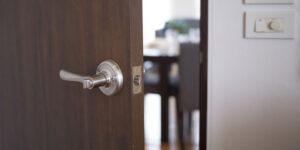
Loose handles are one of the most common small issues in homes.
Cabinet knobs, drawer pulls, and door handles become loose because they are used frequently.
Why It Matters
Ignoring loose hardware can lead to:
- Damaged screws.
- Cracked materials.
- Broken handles.
- More difficult repairs later.
Simple DIY Fix
To repair loose hardware:
- Check the screws holding the handle.
- Tighten them with the correct screwdriver.
- Avoid over-tightening, which can damage the surface.
- Replace damaged screws if needed.
This small repair takes only a few minutes but improves daily convenience.
Repair Small Wall Holes and Nail Marks
The Problem
Walls often collect small holes from:
- Hanging pictures.
- Moving furniture.
- Removing decorations.
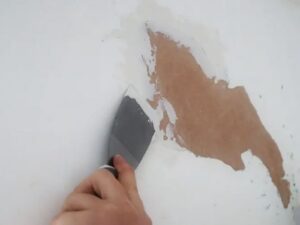
Simple DIY Fix
For small holes:
- Clean the area around the damage.
- Apply wall filler.
- Allow it to dry.
- Sand the surface gently.
- Apply matching paint.
This simple process can make walls look cleaner without repainting an entire room.
Helpful Tip
Keep leftover paint from previous projects if possible. Matching paint later can be difficult.
Replace Worn Weatherstripping Around Doors
The Problem
Small gaps around doors allow outside air to enter.
This can affect:
- Indoor comfort.
- Energy use.
- Noise levels.
Simple DIY Fix
Replacing weatherstripping usually involves:
- Removing old damaged material.
- Cleaning the surface.
- Measuring the replacement strip.
- Installing the new seal.
A better seal can improve how comfortable your home feels.
Stop a Dripping Faucet With Simple Checks
The Problem
A dripping faucet may seem minor, but constant dripping wastes water and can become annoying.
Simple DIY Fix
Begin by checking:
- Whether the handle is loose.
- Whether the faucet needs a new washer or cartridge.
- Whether mineral buildup is affecting movement.
Many faucet repairs involve replacing a small internal part.
Important Note
If the leak continues or involves hidden plumbing, professional assistance may be needed.
Unclog a Slow Bathroom Sink
The Problem
A slow drain often develops because of:
- Hair buildup.
- Soap residue.
- Small debris.
Simple DIY Fix
Try:
- Removing visible debris near the drain.
- Cleaning the drain stopper.
- Using a plunger designed for sinks.
- Checking the drain trap if accessible.
Avoid forcing tools aggressively, as this can damage plumbing parts.
Fix Squeaky Door Hinges
The Problem
Squeaky doors are common and usually easy to fix.
Simple DIY Fix
Try:
- Checking hinge screws.
- Tightening loose screws.
- Applying suitable lubricant.
- Opening and closing the door several times.
A small maintenance step can improve comfort throughout your home.
Replace Air Conditioner or HVAC Filters
The Problem
Filters collect dust and debris over time.
A dirty filter can affect airflow and system performance.
Simple DIY Fix
Replacing a filter usually involves:
- Turning off the system if recommended.
- Removing the old filter.
- Checking the size and airflow direction.
- Installing the replacement correctly.
Regular filter checks are one of the easiest home maintenance habits.
Repair Loose Toilet Handles
The Problem
A toilet handle that feels loose or does not work properly is a common household issue.
Simple DIY Fix
Check:
- The chain inside the tank.
- The connection between handle and mechanism.
- Loose mounting hardware.
Small adjustments can often restore normal operation.
Helpful Tip
Avoid forcing the handle because excessive pressure can break internal parts.
Refresh Bathroom Caulking
The Problem
Old caulking around sinks, tubs, and showers can crack over time.
Damaged seals may allow moisture into unwanted areas.
Simple DIY Fix
For small areas:
- Remove old damaged caulk.
- Clean and dry the surface.
- Apply new bathroom-grade caulk.
- Smooth the surface carefully.
Proper sealing helps protect areas exposed to water.
Learn Basic Drain Maintenance
The Problem
Many plumbing problems begin with poor drain habits.
Simple DIY Fix
Prevent issues by:
- Cleaning drain covers regularly.
- Avoiding putting grease down sinks.
- Removing hair buildup.
- Using drains correctly.
Prevention is often easier than fixing a blocked pipe.
Touch Up Damaged Paint
The Problem
Walls often develop:
- Scratches.
- Small stains.
- Scuff marks.
Simple DIY Fix
For small areas:
- Clean the wall.
- Apply primer if needed.
- Use matching paint.
- Blend the edges carefully.
Small touch-ups can keep rooms looking maintained.
Adjust Misaligned Cabinet Doors
The Problem
Cabinet doors may become uneven because hinges loosen over time.
Simple DIY Fix
Try:
- Tightening hinge screws.
- Adjusting hinge positions.
- Checking whether the cabinet is level.
Small adjustments can improve both appearance and function.
Improve Home Organization With Simple DIY Projects
The Problem
Poor organization can make daily tasks harder.
Beginner-Friendly Improvements
Consider:
- Installing hooks.
- Adding shelves.
- Creating storage zones.
- Organizing cleaning supplies.
- Labeling storage containers.
Better organization can make your home easier to maintain.
Learn When a DIY Fix Is Not Enough
The Importance
DIY skills are valuable, but some problems require professional help.
Avoid attempting complex repairs involving:
- Major electrical work.
- Gas systems.
- Structural damage.
- Serious plumbing problems.
- Roof repairs requiring special equipment.
Knowing your limits is part of being a responsible homeowner.
Common Beginner DIY Mistakes to Avoid
Starting Without Preparation
Problem:
Beginning a project without understanding the steps can create more problems.
Better approach:
Research the repair and gather tools before starting.
Using the Wrong Tools
Problem:
Incorrect tools can damage materials.
Better approach:
Use tools designed for the specific task.
Ignoring Safety
Problem:
Small repairs can still involve risks.
Better approach:
Use protective equipment and work carefully.
Making Temporary Fixes Permanent
Problem:
Quick solutions may hide bigger issues.
Better approach:
Understand the cause and complete proper repairs when possible.
Frequently Asked Questions
What DIY repairs should beginners learn first?
Beginners can start with simple tasks such as tightening hardware, replacing filters, fixing small wall damage, and basic maintenance.
Can DIY home repairs really save money?
Yes. Handling small maintenance tasks yourself can reduce service costs and help prevent larger repairs.
How do I know if a repair is safe to do myself?
If the task involves basic tools and simple adjustments, it may be suitable for beginners. Complex electrical, gas, or structural work usually requires professional help.
What is the most important DIY skill?
Learning how to identify problems early is one of the most valuable skills because prevention reduces future repair needs.
How can I become better at DIY projects?
Start with small repairs, learn from each project, and gradually build your skills and tool collection.
Conclusion
Learning basic DIY fixes can help homeowners feel more confident and prepared. Simple maintenance tasks such as repairing small wall damage, tightening hardware, improving seals, and maintaining household systems can make a noticeable difference.
DIY is not about fixing everything yourself. It is about understanding your home, handling simple problems safely, and knowing when professional help is needed.
With practice and patience, anyone can develop useful home maintenance skills that save money and make everyday living easier.