Many homeowners ignore small problems because they seem harmless. A dripping faucet, a tiny crack, or a slow drain may not feel urgent, especially when there are many other responsibilities to handle.
However, small home issues rarely fix themselves. In many cases, minor problems slowly become larger repairs that cost more time, money, and effort.
Regular home maintenance is not only about keeping a house looking good. It is about preventing damage, improving comfort, and protecting the value of your property.
The good news is that many common problems can be handled early with simple solutions. Knowing what to watch for can help you avoid unnecessary repairs later.
A Small Water Leak Can Cause Major Damage
The Problem
A small leak is one of the most commonly ignored household issues.
You may notice:
- A dripping faucet.
- A small pipe leak.
- Water stains under a sink.
- Moisture around fixtures.
Because the amount of water seems small, many people delay fixing it.
Why It Becomes Worse
Even minor leaks can lead to:
- Damaged cabinets.
- Mold growth.
- Higher water bills.
- Rotting wood.
- Structural damage.
Water can slowly spread into areas that are difficult to see.
What You Can Do
Check plumbing areas regularly.
Helpful habits include:
- Fixing dripping faucets quickly.
- Checking under sinks.
- Looking for moisture around pipes.
- Replacing worn seals.
A small plumbing repair is usually much easier than repairing water damage later.
Cracks in Walls Should Not Always Be Ignored
The Problem
Small wall cracks are common in many homes, especially as buildings settle over time.
Some cracks are harmless, but others may indicate a larger issue.
Signs to Pay Attention To
Watch for:
- Cracks that continue growing.
- Cracks around doors or windows.
- Wide gaps in walls.
- Uneven surfaces.
Why It Matters
Ignoring serious cracks may allow problems to continue developing.
Possible causes include:
- Moisture problems.
- Foundation movement.
- Structural changes.
What You Can Do
Monitor cracks and note changes.
Small cosmetic cracks may only require simple repairs, but growing or unusual cracks deserve professional evaluation.
Slow Drains Can Become Complete Blockages
The Problem
A slow drain often starts as a minor inconvenience.
Water may drain more slowly than usual, but the issue is easy to ignore.
Why It Becomes Worse
A partially blocked drain can eventually cause:
- Complete blockage.
- Bad odors.
- Water backups.
- Plumbing stress.
What You Can Do
Prevent drain problems by:
- Avoiding putting unsuitable materials down drains.
- Cleaning drain covers.
- Removing visible buildup.
- Addressing slow drainage early.
A simple cleaning task can prevent a more difficult plumbing problem.
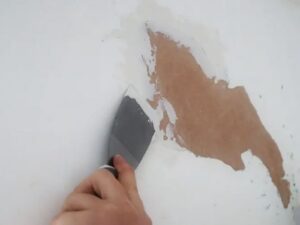
Peeling Paint Can Signal Bigger Problems
The Problem
Paint peeling from walls or ceilings may look like a cosmetic issue.
Why It Becomes Worse
Peeling paint can sometimes indicate:
- Excess moisture.
- Poor ventilation.
- Water leaks.
- Surface damage.
Ignoring the cause may allow the underlying problem to continue.
What You Can Do
Before repainting, identify why the paint is peeling.
Check for:
- Bathroom moisture.
- Roof leaks.
- Plumbing problems.
- Poor airflow.
Fixing the source is more important than covering the appearance.
Damaged Caulking Around Bathrooms Can Lead to Water Damage
The Problem
Bathroom areas rely on seals around:
- Bathtubs.
- Showers.
- Sinks.
- Countertops.
Over time, caulking can crack or separate.
Why It Becomes Worse
Broken seals allow water to enter areas where it should not.
Possible results include:
- Damaged walls.
- Mold growth.
- Loose tiles.
- Rotting materials.
What You Can Do
Inspect bathroom seals regularly.
Replace damaged caulking before water has a chance to create hidden damage.
Ignoring Roof Problems Can Become Expensive
The Problem
Roof issues often begin with small warning signs.
Examples include:
- Missing shingles.
- Small leaks.
- Damaged flashing.
- Water stains on ceilings.
Why It Becomes Worse
A roof protects the entire home.
Small problems can lead to:
- Interior water damage.
- Damaged insulation.
- Mold.
- Ceiling repairs.
What You Can Do
Perform basic roof checks.
Look for:
- Visible damage.
- Water marks.
- Debris buildup.
- Signs of aging.
Early repairs are usually less expensive than major restoration.
Poor Ventilation Can Create Hidden Problems
The Problem
Some rooms, especially bathrooms and kitchens, collect moisture quickly.
Why It Becomes Worse
Excess moisture can contribute to:
- Mold.
- Musty odors.
- Damaged paint.
- Wood problems.
What You Can Do
Improve airflow by:
- Using exhaust fans.
- Opening windows when possible.
- Cleaning vents.
- Reducing unnecessary moisture.
Good ventilation helps protect your home environment.
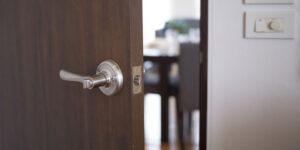
Squeaky Doors and Loose Hardware Can Lead to Bigger Wear
The Problem
Small hardware problems are easy to overlook.
Examples:
- Loose door handles.
- Squeaky hinges.
- Loose cabinet doors.
Why It Becomes Worse
Repeated use can increase wear.
Over time:
- Hinges may become damaged.
- Doors may stop closing properly.
- Hardware may need replacement.
What You Can Do
Simple maintenance includes:
- Tightening screws.
- Lubricating hinges.
- Adjusting hardware.
Small fixes can extend the life of everyday items.
Pest Signs Should Be Addressed Early
The Problem
Many pest problems begin with small signs.
Examples include:
- Droppings.
- Small holes.
- Strange sounds.
- Damaged materials.
Why It Becomes Worse
Pests can multiply quickly and may damage:
- Wood.
- Wiring.
- Stored items.
- Insulation.
What You Can Do
Take early action by:
- Sealing entry points.
- Keeping food stored properly.
- Removing moisture sources.
- Checking problem areas.
Prevention is usually easier than dealing with a larger infestation.
Dirty Air Filters Can Affect Home Comfort
The Problem
Air filters are often forgotten because they are not visible.
Why It Becomes Worse
A clogged filter can affect:
- Airflow.
- Energy use.
- Indoor comfort.
- System performance.
What You Can Do
Create a regular filter-check routine.
Replacing filters when needed helps heating and cooling systems work more efficiently.
Electrical Warning Signs Should Not Be Ignored
The Problem
Small electrical issues may seem harmless.
Examples:
- Flickering lights.
- Warm outlets.
- Burning smells.
- Frequent breaker trips.
Why It Becomes Worse
Electrical problems can become safety concerns if ignored.
What You Can Do
Pay attention to warning signs.
Avoid:
- Overloading outlets.
- Using damaged cords.
- Ignoring unusual electrical behavior.
For serious electrical issues, professional help is the safest option.
Damaged Windows and Doors Can Affect Comfort
The Problem
Small gaps around windows and doors may not seem important.
Why It Becomes Worse
Poor seals can cause:
- Drafts.
- Higher energy costs.
- Moisture problems.
- Reduced comfort.
What You Can Do
Check:
- Weatherstripping.
- Window seals.
- Door gaps.
Simple sealing improvements can make rooms more comfortable.
Neglected Gutters Can Damage Your Home
The Problem
Gutters are easy to forget because they are outside and often out of sight.
Why It Becomes Worse
Blocked gutters can cause:
- Water overflow.
- Roof problems.
- Foundation moisture.
- Damaged landscaping.
What You Can Do
Maintain gutters by:
- Removing leaves and debris.
- Checking water flow.
- Inspecting for damage.
Regular cleaning helps protect your home from water-related issues.
Common Maintenance Mistakes Homeowners Make
Waiting Until Problems Become Urgent
Problem:
Delaying repairs often makes them more expensive.
Better approach:
Address small issues when they first appear.
Focusing Only on Visible Problems
Problem:
Some serious issues happen behind walls, under floors, or in hidden areas.
Better approach:
Perform regular inspections.
Skipping Seasonal Maintenance
Problem:
Homes need different care throughout the year.
Better approach:
Create seasonal maintenance routines.
Trying to Fix Everything Without Knowledge
Problem:
Some repairs require proper skills and safety precautions.
Better approach:
Handle simple tasks yourself and seek professional help when necessary.
Frequently Asked Questions
Why do small home problems become expensive?
Small issues often allow damage to spread over time, affecting larger areas of the home.
How often should I inspect my home?
Regular monthly checks and seasonal inspections can help identify problems early.
What home problems should be fixed immediately?
Water leaks, electrical issues, major cracks, and signs of structural damage should receive prompt attention.
Can regular maintenance save money?
Yes. Preventive maintenance can reduce the chance of expensive repairs.
What is the easiest way to prevent home problems?
Pay attention to small warning signs and create a consistent maintenance routine.
Conclusion
Many expensive home repairs begin as small problems that were ignored for too long. A dripping faucet, minor crack, damaged seal, or clogged gutter may seem unimportant, but early attention can prevent bigger issues.
Regular maintenance does not require complicated skills or large investments. Simple inspections, quick repairs, and good habits can protect your home and make everyday living more comfortable.
Taking care of small problems today can save time, reduce stress, and help keep your home safe for years to come.