Introduction
Every home develops small problems over time. A dripping faucet, a squeaky door, a loose cabinet handle, or a clogged sink may seem like minor inconveniences, but if left unattended, they can become larger and more expensive repairs. The good news is that many everyday household issues can be solved with basic tools, a little patience, and the right approach.
Learning a few simple home maintenance skills doesn’t mean you have to become an expert in plumbing, electrical work, or construction. Instead, it’s about knowing which repairs are safe to handle yourself and recognizing when a job requires a qualified professional. Fixing small problems early can also help prevent additional damage and reduce long-term maintenance costs.
This guide covers practical solutions for some of the most common household problems, explains when DIY repairs make sense, and highlights situations where professional help is the safer choice.
Note: Always put safety first. If a repair involves electricity, gas, structural damage, or anything that could create a safety hazard, stop the work and contact a qualified professional.
Build a Basic Home Repair Toolkit
Before tackling small repairs, keep a few essential tools on hand.
A basic toolkit should include:
- Screwdrivers (flat-head and Phillips)
- Adjustable wrench
- Hammer
- Tape measure
- Utility knife
- Pliers
- Level
- Flashlight
- Allen keys
- Measuring tape
- Drill and drill bits (optional)
- Safety gloves and safety glasses
Having the right tools makes simple repairs easier and helps prevent damage caused by using unsuitable equipment.
Fix a Dripping Faucet
A dripping faucet is one of the most common household problems.
In many cases, the cause is a worn washer, O-ring, or cartridge.
Basic steps include:
- Turn off the water supply.
- Place the drain plug in the sink to avoid losing small parts.
- Remove the faucet handle.
- Inspect worn components.
- Replace damaged parts with compatible replacements.
- Reassemble the faucet and test for leaks.
If the faucet continues leaking or shows signs of corrosion, replacing the entire fixture may be necessary.
Clear a Slow or Clogged Drain
Kitchen and bathroom drains often become blocked by hair, soap residue, grease, or food particles.
Before using harsh chemical drain cleaners, try safer methods:
Pour hot (not boiling for PVC pipes) water down the drain.
Use a sink plunger.
Remove visible debris from the drain opening.
Use a drain cleaning tool designed to remove hair.
Regular cleaning helps prevent future blockages.
If multiple drains back up at the same time, the problem may be deeper within the plumbing system and require professional attention.
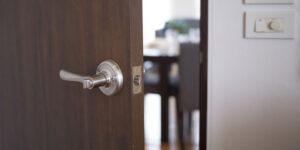
Stop a Squeaky Door
Squeaky doors are usually caused by dry or dirty hinges.
To fix them:
Open and close the door several times to identify the noisy hinge.
Apply a suitable household lubricant to the hinge pin.
Move the door repeatedly to distribute the lubricant.
Wipe away any excess.
If the hinge is badly worn or bent, replacing it is often inexpensive and straightforward.
Tighten Loose Cabinet Handles and Hinges
Cabinet hardware naturally loosens with regular use.
Check handles and hinges every few months.
Use the correct screwdriver to tighten loose screws.
If screw holes have become enlarged, repair kits or wood fillers may help restore a secure fit before reinstalling the hardware.
Avoid overtightening screws, which can damage wood or strip the threads.
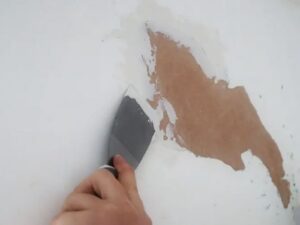
Patch Small Holes in Walls
Minor holes from nails or picture hooks are simple to repair.
Basic steps include:
- Clean the damaged area.
- Apply wall filler or spackling compound.
- Allow it to dry fully.
- Sand lightly until smooth.
- Paint over the repaired area if needed.
Taking time to sand the repair carefully usually produces a more professional-looking finish.
Fix a Running Toilet
A toilet that continues running after flushing often wastes a significant amount of water.
Common causes include:
- A worn flapper
- Incorrect float adjustment
- A faulty fill valve
Begin by removing the tank lid and observing how the mechanism operates during a flush.
Many replacement parts are inexpensive and designed for straightforward installation.
If water leaks from the base of the toilet or there are signs of damaged plumbing, contact a qualified plumber.
Silence a Noisy Floor
Wood floors sometimes develop squeaks as homes settle.
Minor squeaks may improve by:
Checking for loose floorboards.
Using appropriate screws where accessible.
Applying specialized repair products designed for squeaky flooring.
Persistent or widespread movement may indicate a larger structural issue that should be inspected professionally.
Replace Damaged Weather Stripping
Worn weather stripping around doors and windows can allow drafts, dust, and moisture to enter your home.
Replacing it usually involves:
Removing old material.
Cleaning the surface.
Measuring carefully.
Installing new weather stripping according to the manufacturer’s instructions.
Proper sealing can also improve energy efficiency and indoor comfort.
Remove Minor Wall Scuffs
Painted walls often develop marks from furniture, shoes, or everyday use.
Try cleaning with:
A soft microfiber cloth.
Warm water with mild soap.
A non-abrasive cleaning sponge suitable for painted surfaces.
Always test cleaning products on a small hidden area first to avoid damaging the finish.
Replace Air Filters Regularly
Heating and cooling systems work more efficiently with clean air filters.
Dirty filters may:
- Reduce airflow.
- Increase energy use.
- Allow more dust to circulate.
- Shorten equipment lifespan.
Check filters according to the manufacturer’s recommendations and replace them when needed.
Prevent Mold and Moisture Problems
Small areas of moisture can become larger problems if ignored.
Reduce moisture by:
Using exhaust fans in bathrooms.
Repairing small leaks promptly.
Keeping rooms well ventilated.
Drying wet areas quickly.
If mold covers a large area or repeatedly returns after cleaning, professional inspection may be necessary to identify the underlying cause.
Know When Not to Do It Yourself
Some repairs involve risks that outweigh potential savings.
Contact a qualified professional if the issue involves:
- Electrical wiring
- Gas appliances or gas lines
- Structural damage
- Major plumbing leaks
- Roofing repairs
- Foundation problems
- Large mold growth
Attempting these repairs without proper training may increase both safety risks and repair costs.
Prevent Household Problems Before They Start
Routine maintenance often reduces the need for expensive repairs.
Helpful habits include:
Inspect plumbing fixtures for leaks.
Clean gutters regularly.
Test smoke and carbon monoxide alarms.
Replace HVAC filters on schedule.
Check caulking around sinks and showers.
Lubricate door hinges.
Inspect roof and exterior surfaces after severe weather.
Small maintenance tasks often prevent larger repairs later.
Common DIY Mistakes
Using the wrong tools.
Ignoring manufacturer instructions.
Skipping safety equipment.
Applying excessive force.
Using temporary fixes for permanent problems.
Waiting too long before addressing small repairs.
Recognizing your limits is one of the most valuable DIY skills.
Practical Tips for Successful Home Repairs
Read instructions before beginning.
Gather all tools and materials in advance.
Work slowly and carefully.
Take photos before disassembling parts.
Keep replacement parts organized.
Test the repair before putting everything back into regular use.
A careful approach usually produces better results than rushing through a repair.
Frequently Asked Questions
What household repairs are safe to do yourself?
Many cosmetic and minor maintenance tasks, such as patching small wall holes, tightening hardware, replacing weather stripping, unclogging simple drains, and lubricating door hinges, are suitable for most homeowners.
When should I call a professional?
You should seek professional help for electrical work, gas systems, structural damage, major plumbing leaks, roofing issues, foundation problems, or repairs that require specialized skills or equipment.
What tools should every homeowner own?
A basic toolkit with screwdrivers, pliers, an adjustable wrench, a hammer, measuring tape, utility knife, flashlight, level, and safety equipment is enough for many common household repairs.
How can I prevent expensive home repairs?
Regular maintenance, prompt attention to small problems, routine inspections, and replacing worn parts before they fail can help prevent larger repair bills.
Are chemical drain cleaners recommended?
Frequent use of strong chemical cleaners may damage some plumbing systems. Mechanical cleaning methods or gentler alternatives are often a better first step for minor clogs.
How often should I inspect my home for maintenance issues?
A quick monthly inspection of plumbing, doors, windows, appliances, smoke alarms, and exterior areas can help identify small problems before they become more serious.
Is it worth learning basic DIY skills?
Yes. Understanding simple repairs can save time and money, improve confidence in maintaining your home, and help you recognize when professional assistance is necessary.
Conclusion
Many common household problems can be fixed safely without calling a professional, provided you have the right tools, follow basic safety precautions, and understand your limits. Simple repairs like tightening loose hardware, patching small wall holes, replacing weather stripping, or clearing minor drain clogs can improve your home’s comfort while reducing maintenance costs.
The key is to address small issues before they become larger ones. Regular inspections, routine maintenance, and learning a few practical DIY skills can help keep your home in good condition throughout the year. For repairs involving electricity, gas, structural components, or major plumbing systems, choosing a qualified professional remains the safest and most reliable solution.